Côte de Beaune: A Complete Guide to the Appellations and Grands Crus
Simon Stoll
Oenosuite Founder
The Côte de Beaune is the southern half of the Côte d'Or vineyard, in Burgundy. It stretches over some twenty kilometres between Ladoix-Serrigny to the north and the Maranges to the south, and makes its wines from two grape varieties: Pinot Noir for the reds and Chardonnay for the whites. This is the birthplace of both some of the greatest dry white wines on the planet and reds renowned for their finesse.
With around 5,980 hectares, nearly a quarter of the Burgundy vineyard, the Côte de Beaune brings together about twenty appellation communes and almost all of the region's white grands crus. For the wine-loving traveller, it is arguably the most complete playground in Burgundy: within a few kilometres you move from a grand cru red found nowhere else in the world to the most coveted Chardonnay climats.
Geography and terroir
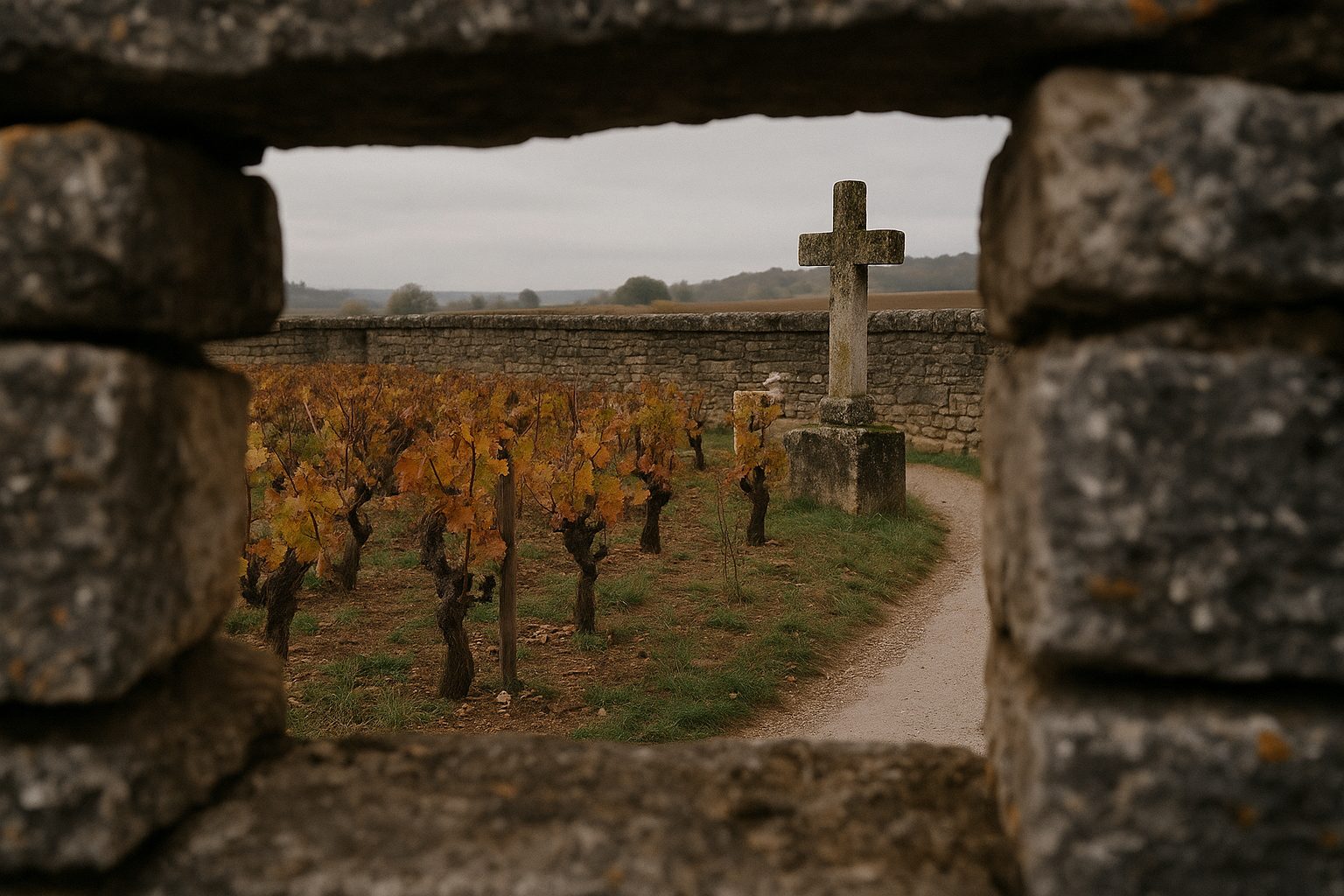
The vineyard forms a long, narrow ribbon, rarely more than a few hundred metres wide, clinging to slopes that mostly face east and south-east, between 300 and 450 metres in altitude. This exposure is essential: it gives the vines the morning light and ideal drainage on the slope.
The soils combine marl, clay and limestone from the Jurassic period. Broadly speaking, the more clay- and marl-rich soils at the foot of the slope suit Pinot Noir, while the more limestone soils mid-slope give Chardonnay its mineral tension. This geological mosaic explains the Burgundian notion of the climat: delimited, named plots, each producing a distinct wine.
The eight grands crus of the Côte de Beaune
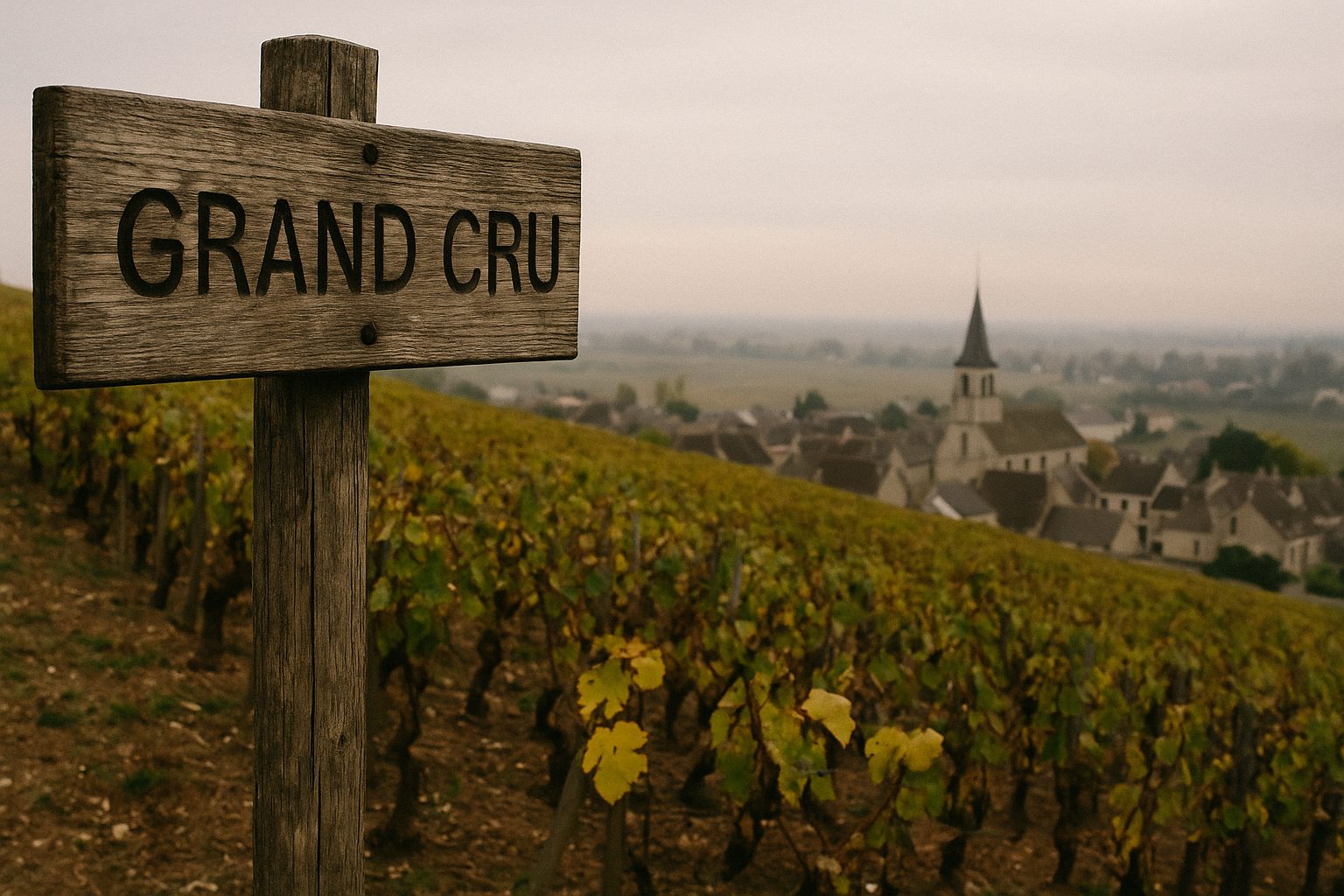
The Côte de Beaune has eight grand cru appellations. To the north, around the hill of Corton, lies Corton, the only red grand cru in the whole of the Côte de Beaune, covering around 90 hectares (a tiny amount of white Corton also exists), as well as Corton-Charlemagne, an exclusively white grand cru produced at the top of the hill.
To the south, straddling the communes of Puligny-Montrachet and Chassagne-Montrachet, are the world's most prestigious white grands crus: Montrachet itself, a rectangle of barely 8 hectares (7.99 ha precisely) planted with Chardonnay, surrounded by Chevalier-Montrachet, Bâtard-Montrachet, Bienvenues-Bâtard-Montrachet and Criots-Bâtard-Montrachet. To these seven is added Charlemagne, an appellation now very rarely claimed.
The villages not to miss
For reds, two names dominate: Pommard and Volnay, two neighbouring communes that produce only red wine, from Pinot Noir. Pommard offers structured, tannic wines built for ageing, while Volnay cultivates the opposite, finesse, elegance and aromatic delicacy. Together they sum up the duality of Côte de Beaune Pinot Noir.
For whites, the trio of Meursault, Puligny-Montrachet and Chassagne-Montrachet forms the golden triangle of Chardonnay: ample, chiselled wines capable of ageing for decades. Other appellations are well worth the detour, often at gentler prices: Savigny-lès-Beaune, Pernand-Vergelesses, Saint-Romain, Auxey-Duresses, Monthélie, Saint-Aubin and Santenay. The Côte de Beaune-Villages appellation, meanwhile, gathers 16 communes allowed to blend their reds under that name.
Beaune, capital of wine
At the heart of the vineyard, the town of Beaune is the nerve centre of the Burgundian wine trade. It is home to the Hospices de Beaune, a charitable hospital founded in 1443, whose wine estate today covers nearly 60 hectares spread across Pommard, Volnay, Meursault, Corton, Beaune and other villages. Every year, on the third Sunday of November, the famous Hospices de Beaune wine auction draws buyers and onlookers from around the world and serves as a barometer for the vintage.
Beaune is also worth visiting for its ramparts, the historic cellars carved beneath the town and its emblematic glazed-tile roof. It is the ideal place to grasp the history and economy of the vineyard before setting off on the road.
Practical tips for visiting
The best way to discover the Côte de Beaune is to follow the Route des Grands Crus, which links Dijon to Santenay through most of the villages mentioned above. Spring and autumn offer the finest light and winemakers who are more available than at the height of summer or during the harvest. Most estates receive visitors by appointment only: be sure to book your tastings in advance, by phone or email.
To explore the whole Côte de Beaune with peace of mind, oenosuite.fr offers charming accommodation in the heart of Dijon, less than an hour from the great villages. It is the ideal base from which to combine, on a single stay, the grands crus of Corton, the golden triangle of Chardonnay and the heritage treasures of Beaune and Dijon.
Sources & References
Plan your trip to Burgundy
Book your wine accommodation in Dijon
Luxury wine suite with complimentary blackcurrant liqueur, Jalunia connected cellar and wine tourism experiences.
Book now