Burgundy Vintages: Which to Buy and Which to Avoid
Simon Stoll
Oenosuite Founder
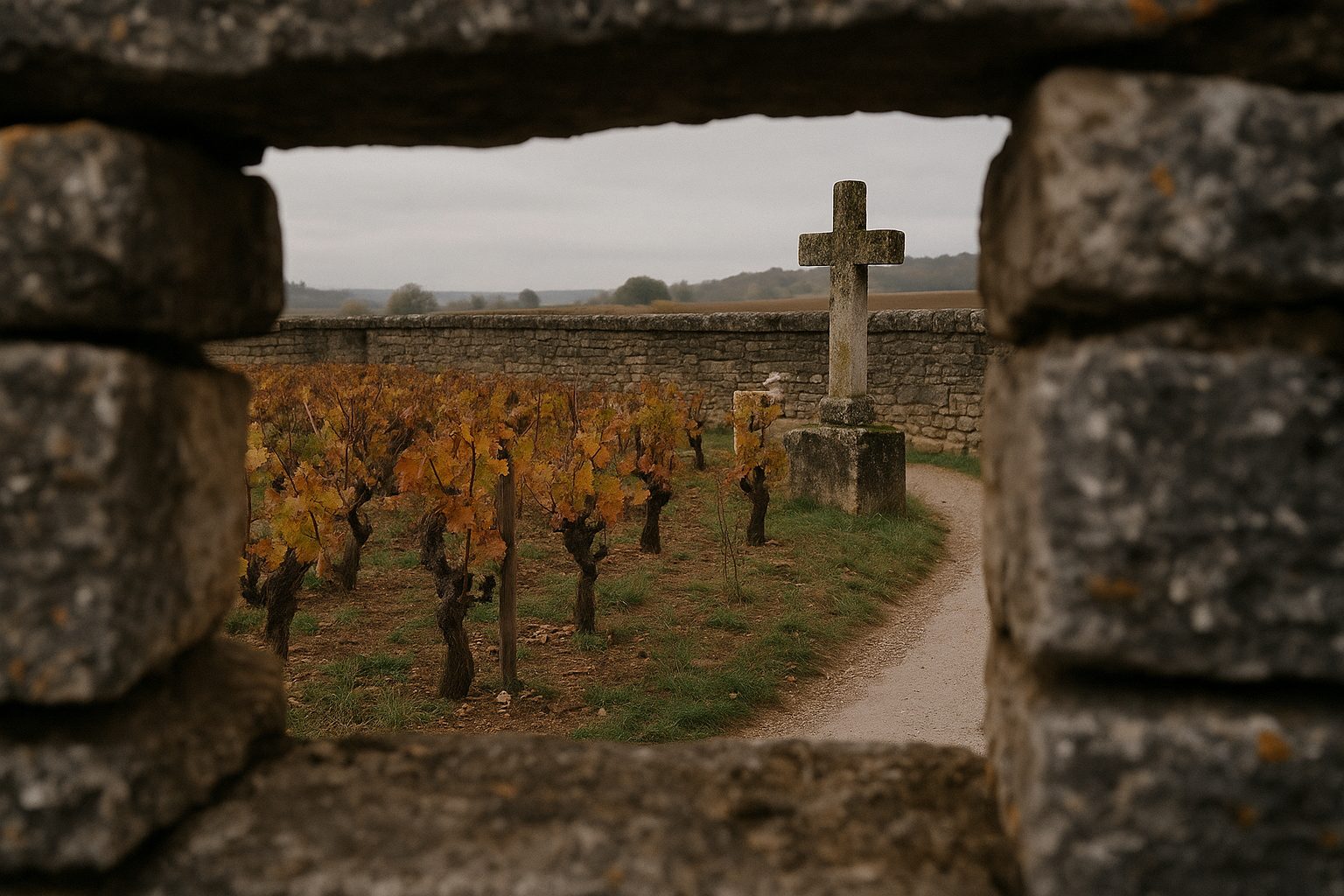
The vintage — the harvest year printed on the label — matters more in Burgundy than in almost any other wine region. Here, where each climat comes down to a few rows of vines and where pinot noir and chardonnay react to the slightest shift in weather, two neighbouring bottles born a year apart can tell opposite stories. Understanding Burgundy vintages means knowing which to buy for the cellar, which to drink young and which not to overpay for.
Two reference points capture how wide those recent swings have been. The April 2021 frost was the most devastating Burgundy had seen since 1991, cutting the crop to its smallest volume in thirty years; 2022, by contrast, delivered the largest harvest of those same three decades. Between those two extremes, every year has its own personality. Here is a clear, vintage-by-vintage guide to buying well and drinking at the right moment. The good news: Burgundy has not seen a truly failed vintage in a long time, so the real question is less about avoiding a year than choosing it to fit your goal and your budget.
Why Vintage Matters So Much in Burgundy
In Bordeaux, blending several grape varieties smooths out the whims of the weather. In Burgundy, a red is almost always 100% pinot noir and a white 100% chardonnay: nothing hides the character of the year. A hot summer yields broad, sun-filled wines; a cool season produces taut wines built on bright red fruit and acidity. The vintage therefore signals not just quality — it signals style, and so the right moment to pull the cork. That is why Burgundy lovers talk about years the way others talk about growers.
Another useful rule to keep in mind: the more modest the wine in the appellation hierarchy, the sooner you drink it. A regional Bourgogne is usually best within two to five years; a village or premier cru from a great vintage such as 2019 or 2020 can evolve for seven to fifteen years in the cellar. Buying smart means matching three things: the vintage, the appellation level and your own drinking horizon. The same terroir does not call for the same patience from one year to the next, and that is the whole art of building a coherent cellar.
The Great Cellaring Vintages: 2015, 2019, 2020, 2022
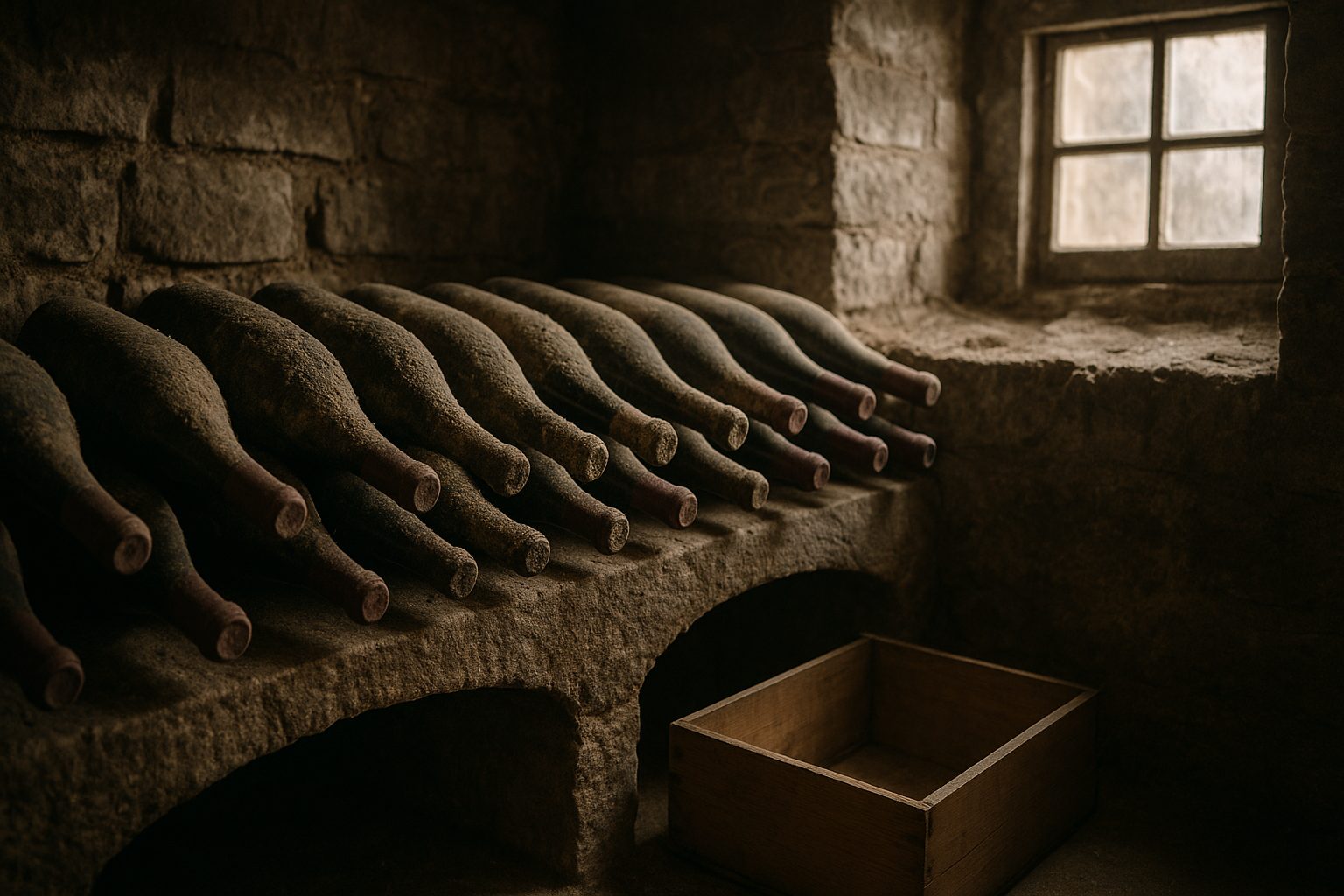
The 2015 vintage remains a benchmark: a warm year with low yields, small concentrated berries and an early harvest produced deep, structured reds that some tasters compare to the mythical 2005 — wines for the long haul. 2019, for its part, offers remarkable balance: pinot noirs that are both concentrated and fresh, deeply fruity, with a natural acidity that guarantees fine ageing potential. These are two vintages to lay down without hesitation, as both reward a few years of patience with real depth.
2020 made the most of a hot, luminous summer to produce concentrated, sappy wines capable of evolving for seven to fifteen years depending on the terroir. 2022 is more surprising still: despite a very hot season, the wines stayed fresh and balanced, seductive in their youth yet built to last — and it is an abundant vintage, so easier to find at a reasonable price. To start a Burgundy cellar, this quartet forms a particularly solid foundation. It is the kind of vintage you can open now or forget for a decade.
The Drink-Now Vintages: 2017, 2021, 2023, 2024
2021 will be remembered for its April frost, the worst since 1991: the whites, which bud earlier, were hit hardest, with some appellations close to a total loss of crop. The result? Tiny volumes, but wines of rediscovered classicism — supple, elegant reds on bright red fruit, mineral and balanced whites. 2024 follows a similar logic: a gruelling season marked by rain, mildew and hail produced the smallest crops in decades, yet saline, refined whites that delight lovers of the classical style. Prices for these scarce years run higher, so it pays to be selective rather than completist.
2017 and 2023, by contrast, play the generosity card. 2017 was an abundant vintage, already approachable in its youth, with lovely whites; 2023, just as generous, delivered expressive, fruity wines — solid without always reaching the heights, but perfect for enjoying now, at the table, without waiting ten years. In the sunnier years, simply serve them a touch cooler to keep their brightness intact. These are the vintages to favour for drinking today, without breaking the bank or emptying your cellar.
Tasting Vintages for Real: The Best Way to Choose
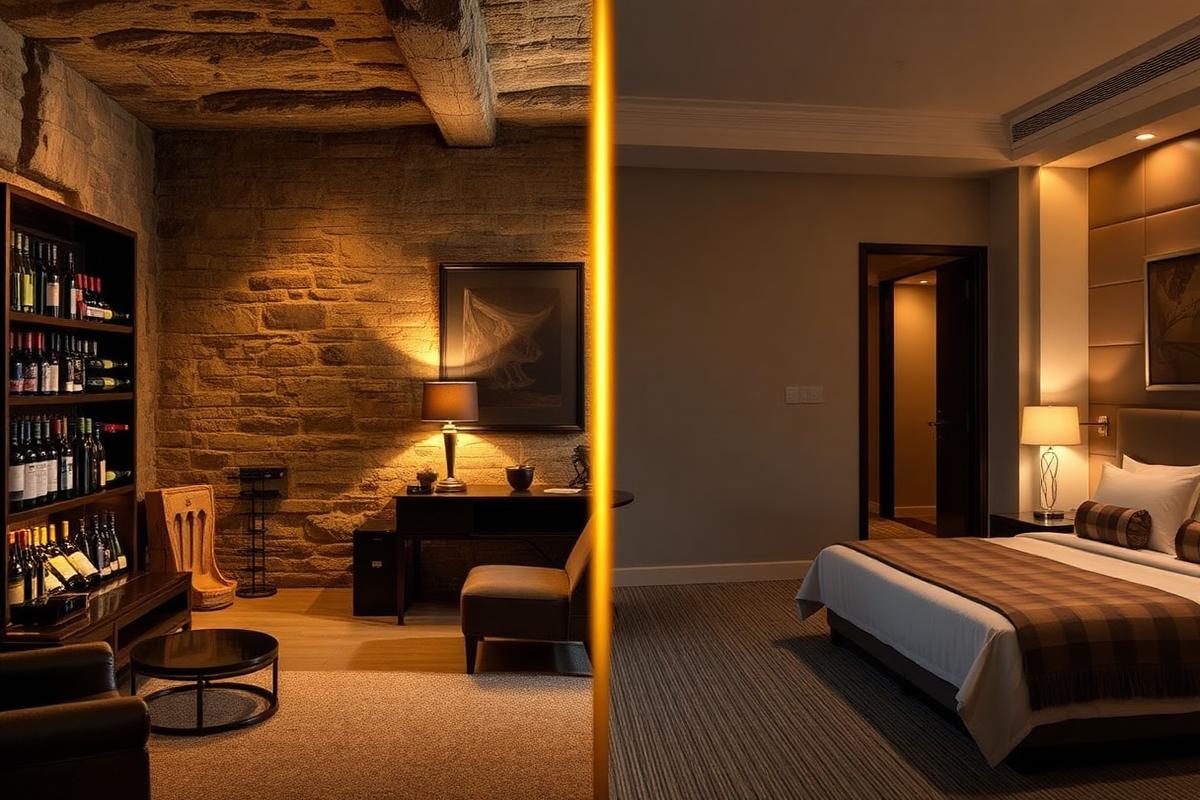
No chart replaces the experience of the glass. The best way to grasp what separates a sun-filled 2020 from a taut 2021 is to taste them side by side. That is exactly what a stay at the Oenosuite, in the very heart of Dijon, makes possible: its Jalunia connected cellar offers Burgundy wines in tubes or bottles, self-service from the suite, so you can build your own comparative tasting. The blind tasting — tasting socks provided — turns learning into a game, as you stop reading the label and finally listen to the wine. Booking directly on oenosuite.fr remains the best rate, with no platform commission.
Want to introduce a wine lover to Burgundy's vintages? The Oenosuite gift card solves the usual gifting headache: you choose the amount (from €25 to €1,000, or one of the €50-to-€300 tiers), and they choose their dates. Valid for twelve months and usable on any stay or experience, it turns a simple bottle into a full weekend, twenty minutes from the Route des Grands Crus. Suite Charme & Vin or Loft d'Artiste, the apartment — the only accommodation in Burgundy-Franche-Comté with the Vignobles & Découvertes label, rated 4.94/5 on Airbnb — becomes the ideal base to explore, vintage after vintage, the very best Burgundy has to offer. It all books directly on oenosuite.fr.
Sources & References
Plan your trip to Burgundy
Book your wine accommodation in Dijon
Luxury wine suite with complimentary blackcurrant liqueur, Jalunia connected cellar and wine tourism experiences.
Book now