Chassagne-Montrachet: Guide to Burgundy's Great White Grands Crus
Simon Stoll
Oenosuite Founder
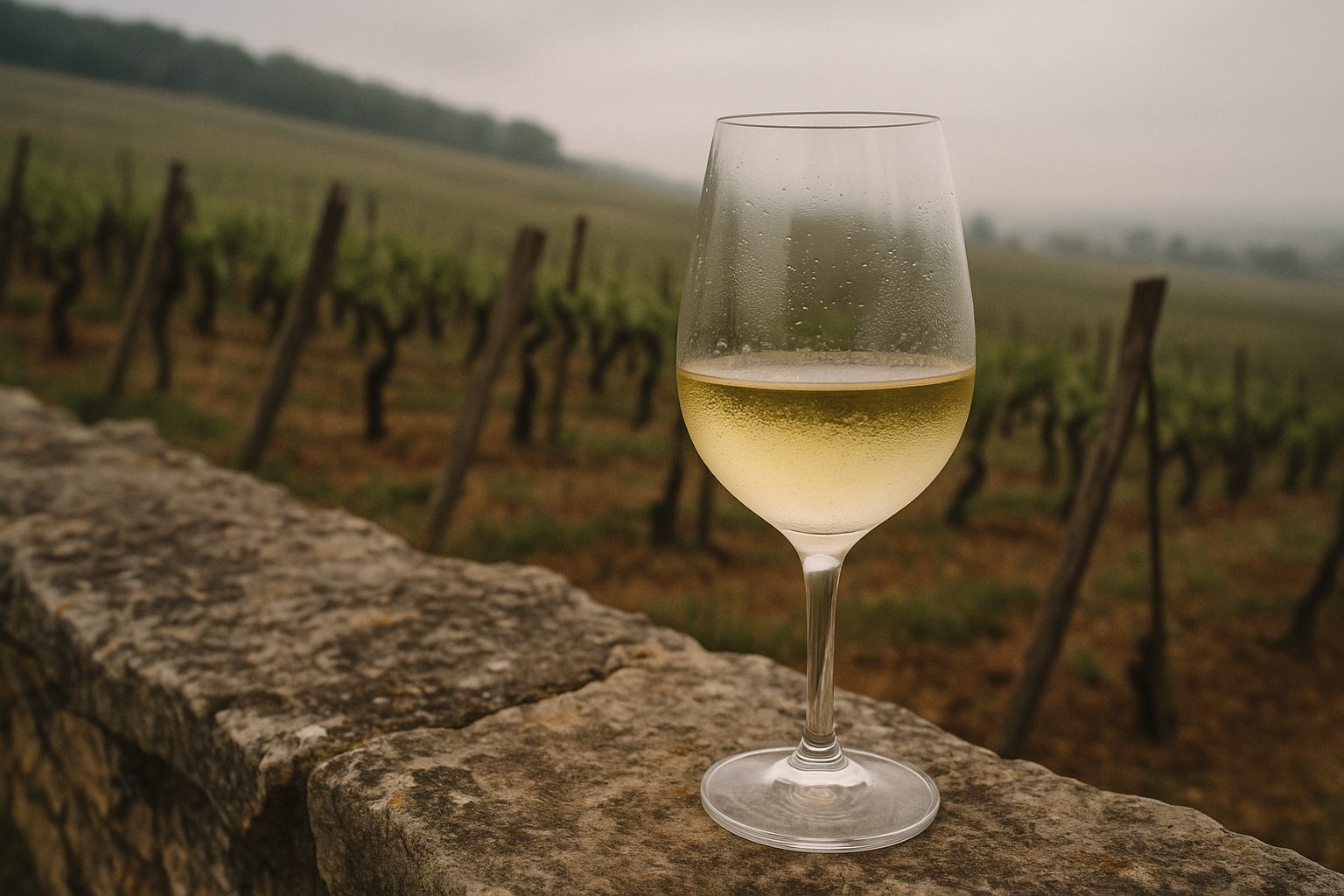
Chassagne-Montrachet is a village appellation of the Côte de Beaune, in the Côte-d'Or, producing both white and red wines from Chardonnay and Pinot Noir respectively. Located around fifteen kilometres south of Beaune, the commune is home to three Grands Crus, Montrachet, Bâtard-Montrachet and Criots-Bâtard-Montrachet, which rank among the greatest dry white wines in the world.
Together with Meursault and Puligny-Montrachet, Chassagne forms what enthusiasts call the golden triangle of Burgundian Chardonnay: three neighbouring villages that produce the most sought-after whites of the Côte de Beaune. Yet Chassagne remains quieter than its illustrious neighbours, making it an ideal destination for anyone wanting to understand Burgundy away from the crowds.
A Côte de Beaune appellation, between red and white
The Chassagne-Montrachet appellation covers around 315 hectares, split between whites (close to 198 hectares, of which roughly 117 are Premier Cru) and reds (about 106 hectares). It boasts 55 climats classified as Premier Cru, a remarkable figure that reflects the wealth and diversity of the village's terroirs.
While Chassagne is associated today with Chardonnay, the story is more nuanced. Not so long ago the village still produced around 75% red wine, and even more before that. The shift towards white happened gradually as the reputation, and price, of the great Côte de Beaune Chardonnays rose. It was also in 1879 that the village, then called Chassagne-le-Haut, added the name of its most illustrious climat, Montrachet, to its own, on the same day as neighbouring Puligny.
Three mythical Grands Crus
Montrachet and Bâtard-Montrachet are two Grands Crus that straddle the communal boundary, shared between Chassagne-Montrachet and Puligny-Montrachet. Criots-Bâtard-Montrachet is the most confidential of the three: at just 1.57 hectares, it lies entirely within Chassagne. These tiny plots explain the rarity and dizzying prices of these wines, among the most expensive dry whites on the planet.
The names themselves tell a story. According to tradition, a medieval lord of Puligny divided his lands among his heirs, the knight (chevalier), the maidens (pucelles) and the bastard (bâtard), giving rise to the names of several neighbouring climats. On the palate, the great whites of Chassagne show aromas of almond, honey and white flowers, underpinned by a fine mineral tension that ensures long ageing potential.
The Premiers Crus to know
Beyond the Grands Crus, it is often the Premiers Crus that offer the best balance between emotion and accessibility. Among the most renowned climats are Morgeot (the largest and one of the most structured), Les Caillerets, Clos Saint-Jean, La Boudriotte, Les Ruchottes, Les Chaumées and Les Vergers. Each offers a distinct expression, from the purest mineral tension to the most generous aromatic opulence.
This diversity is rooted in the terroir: the soils are clay-limestone, more or less stony and marly depending on the parcel, on east-facing slopes between 220 and 325 metres in altitude. The limestone brings structure and tension to the whites, while the clays and marls, more present on certain plots, suit Pinot Noir particularly well and give the reds their roundness.
Emblematic estates
The village's most famous name is undoubtedly Domaine Ramonet, founded in the late 1920s by Pierre Ramonet and now run by his grandsons Noël and Jean-Claude. Across roughly 17 hectares, the estate produces whites at every level, from village wine up to Montrachet, including mythical Premiers Crus such as Les Ruchottes, Morgeot, Les Caillerets and Clos Saint-Jean.
The village is home to other leading names, such as Domaine Michel Niellon, renowned for the precision of its whites, and Pierre-Yves Colin-Morey, a winemaker who left the family estate Marc Colin in Saint-Aubin in 2006 to found his own house, now one of the references of contemporary Burgundian Chardonnay. Many of these estates welcome enthusiasts by appointment, to be arranged in advance by phone or email.
Visiting Chassagne-Montrachet
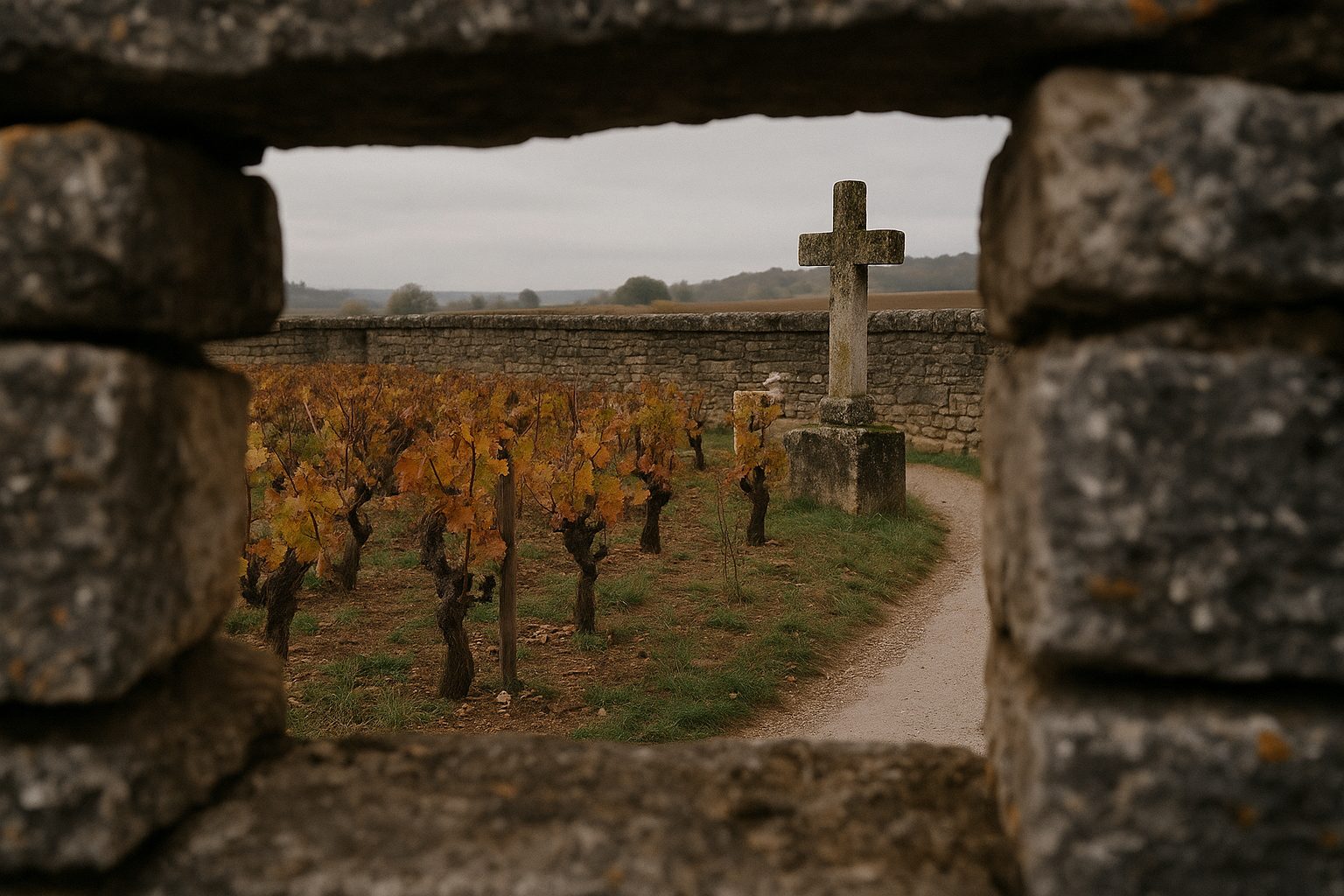
The village is best discovered on foot or by bicycle, strolling between the dry-stone walls and the classified climats. It sits on the Route des Grands Crus, which links Dijon to Santenay and lets you string together the legendary villages of the Côte. Spring and autumn are the best seasons: the light is superb and winemakers are more available than at the height of summer or during the harvest. Be sure to book your tastings in advance, as most estates operate by appointment only.
To make Chassagne-Montrachet a stop on a complete wine-tourism stay, oenosuite.fr offers charming accommodation in the heart of Dijon, an ideal base for exploring the whole Côte de Beaune. Less than an hour's drive away, you can combine visits to the great Chardonnay villages, Meursault, Puligny and Chassagne, with the heritage treasures of Dijon and Beaune.
Sources & References
Plan your trip to Burgundy
Book your wine accommodation in Dijon
Luxury wine suite with complimentary blackcurrant liqueur, Jalunia connected cellar and wine tourism experiences.
Book now