Santenay: Wine, Thermal Spa and Premiers Crus of the Côte de Beaune
Simon Stoll
Oenosuite Founder
Santenay is the southernmost village appellation of the Côte de Beaune, in the Côte-d'Or, producing mainly red wines from Pinot Noir. Recognised as an appellation d'origine contrôlée in 1936, it covers around 330 hectares in production, of which nearly 124 hectares are classified Premier Cru across eleven Climats. But Santenay has a feature unique in the Burgundy vineyard: it is also a thermal spa town, with springs whose waters are the most lithium-rich in Europe, and one of the very few wine communes in Burgundy to own a casino. Wine, water and gaming coexist here at the foot of the vines.
At the very south of the Côte de Beaune
Santenay marks the southern edge of the winegrowing Côte-d'Or: beyond it lies the Saône-et-Loire, and a small part of the appellation actually spills over onto the neighbouring commune of Remigny. The village closes the Route des Grands Crus, the legendary route that links Dijon to Beaune and then to Santenay over some sixty kilometres. You reach it in about twenty minutes from Beaune, passing Pommard, Meursault and Chassagne-Montrachet.
The commune, home to around a thousand residents, is split between Santenay-le-Haut, clustered around the Romanesque church of Saint-Jean de Narosse, and Santenay-le-Bas, where the châteaux and the thermal establishment stand. This dual identity, winemaking and thermal, makes Santenay an ideal final stop on a Côte itinerary, at the crossroads of the vines and the hiking trails towards the Hautes-Côtes and the Morvan.
Pinot Noir reds, a few Chardonnay whites
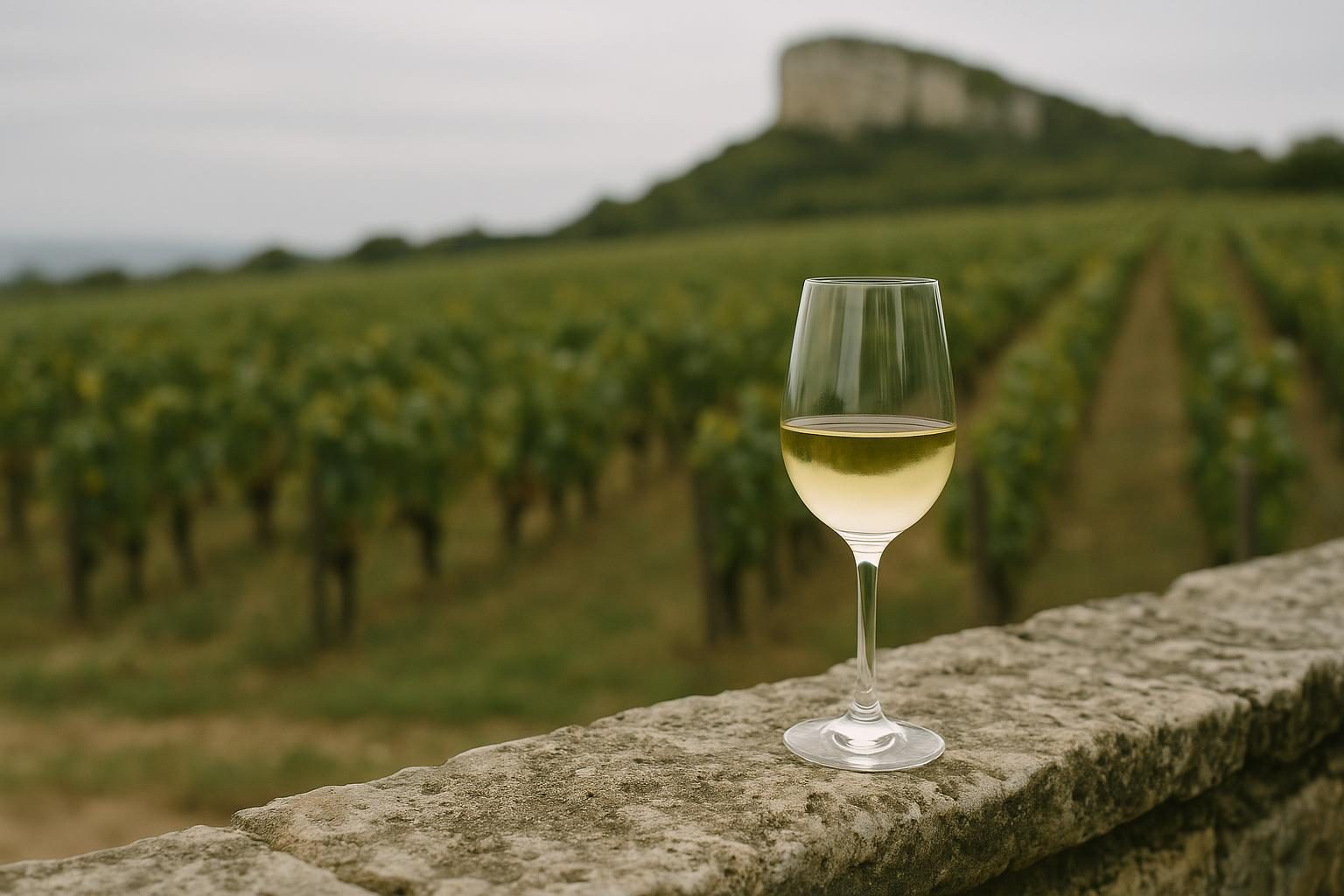
The appellation mainly produces red wines: about 260 hectares are planted with Pinot Noir, against nearly 73 hectares of Chardonnay for the whites. Santenay reds offer a deep colour and aromas of small red fruits (raspberry, redcurrant, blueberry) lifted by spice and hints of liquorice, with firm tannins tempered by real finesse. These are wines for moderate ageing, generally best over five to ten years, and often excellent value compared with the more sought-after villages further north on the Côte.
The eleven Climats classified as Premier Cru are spread across three sectors of the commune. Among the most highly regarded are Les Gravières, the Clos de Tavannes, La Comme, Beauregard, Passetemps and the Clos Rousseau. These plots, facing east and south on stony clay-limestone soils, yield the most structured cuvées of the appellation.
Estates and heritage to visit
Several family estates welcome visitors, most often by appointment. The Château de la Charrière, run by Yves and Benoît Girardin, is one of the village's flagship addresses, noted in particular for its Clos Rousseau 1er Cru. Domaine Sorine offers tastings and tours built around its reds and whites, while Domaine Bachey-Legros farms old vines and produces a remarkable Santenay 1er Cru Clos des Gravières.
The village is also home to the Château de Santenay, known as "Château Philippe le Hardi": this historic estate once belonged to Philip the Bold (1342-1404), Duke of Burgundy, and bears witness to two thousand years of wine history. You can tour its vaulted cellars and taste a wide range of Côte appellations. Remember to book your slots in advance: the estates are small and places limited, especially in spring and during the harvest.
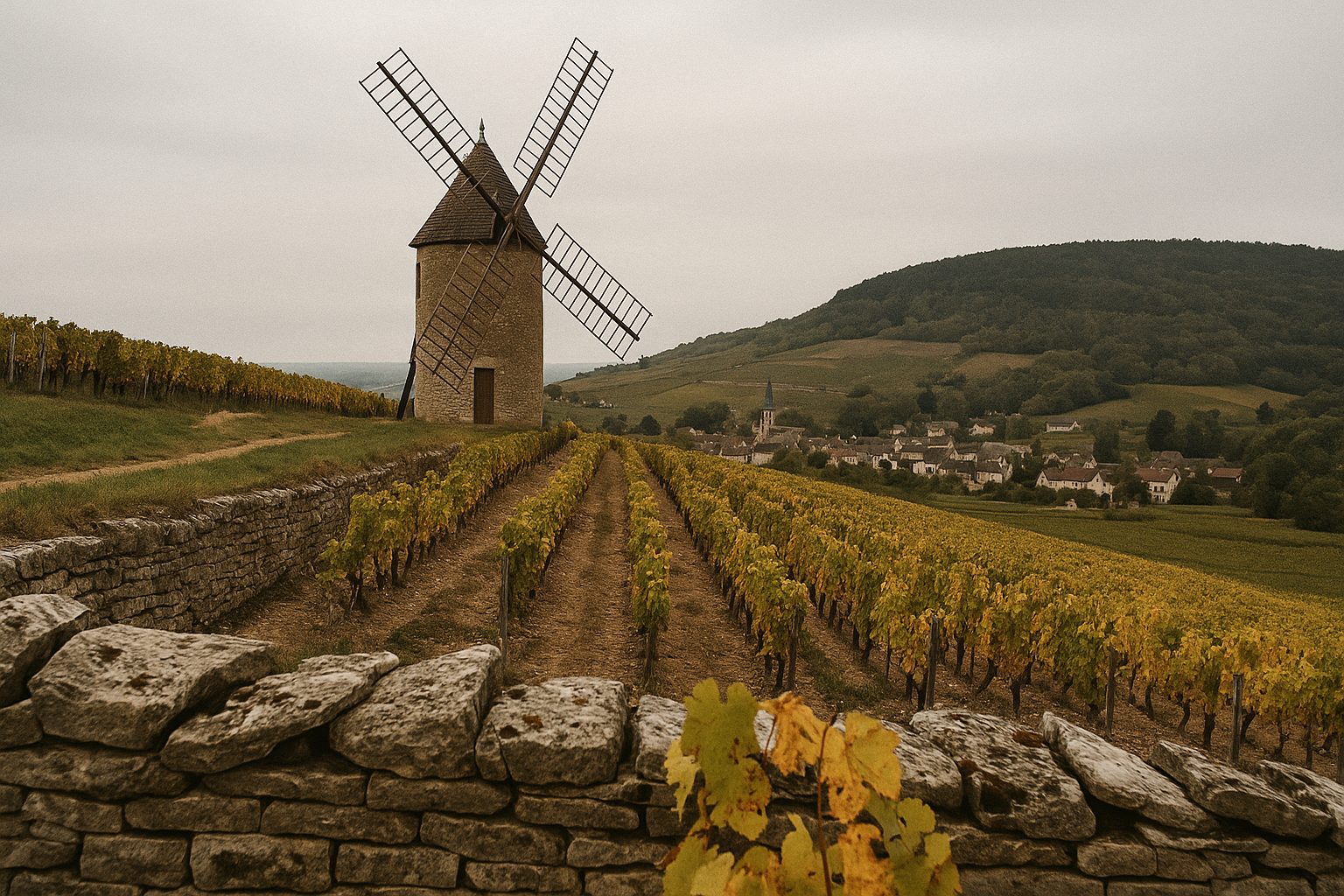
Above the well-exposed vines stands the Moulin Sorine, a stone windmill built in the early 19th century. It is the only windmill on the Côte de Beaune, and it comes back to life each year for a festival in June. From its surroundings, the view takes in the entire Santenay vineyard and the Dheune valley. The path leading up to it, dotted with stone crosses, offers one of the finest vineyard walks in the southern Côte.
Santenay, a thermal spa town: the wellness bonus
This is what sets Santenay apart from every other village in the vineyard. A mineral spring, the Fontaine Salée, has been known here since Antiquity for its high sodium-chloride content. Officially becoming a thermal station in 1963, then classified as a hydromineral and climatic resort in 1968, the commune opened new spa baths run by the Valvital group in June 2021. The chloride-sulphate-sodium waters are the most lithium-rich in Europe (around 25 mg/l) and are used to treat rheumatology, trauma recovery and digestive and metabolic conditions.
A stone's throw from the baths, the casino rounds off this unexpected line-up: a rarity in the Burgundy vineyard, it offers slot machines and table games in a bourgeois mansion overlooking the vines. Santenay is thus one of the very few places in the world where, in a single day, you can move from a tasting with the winegrower to a thermal water cure and an evening at the casino, a mix neatly summed up by the local phrase: "water, wine and gaming".
Practical tips for visiting Santenay
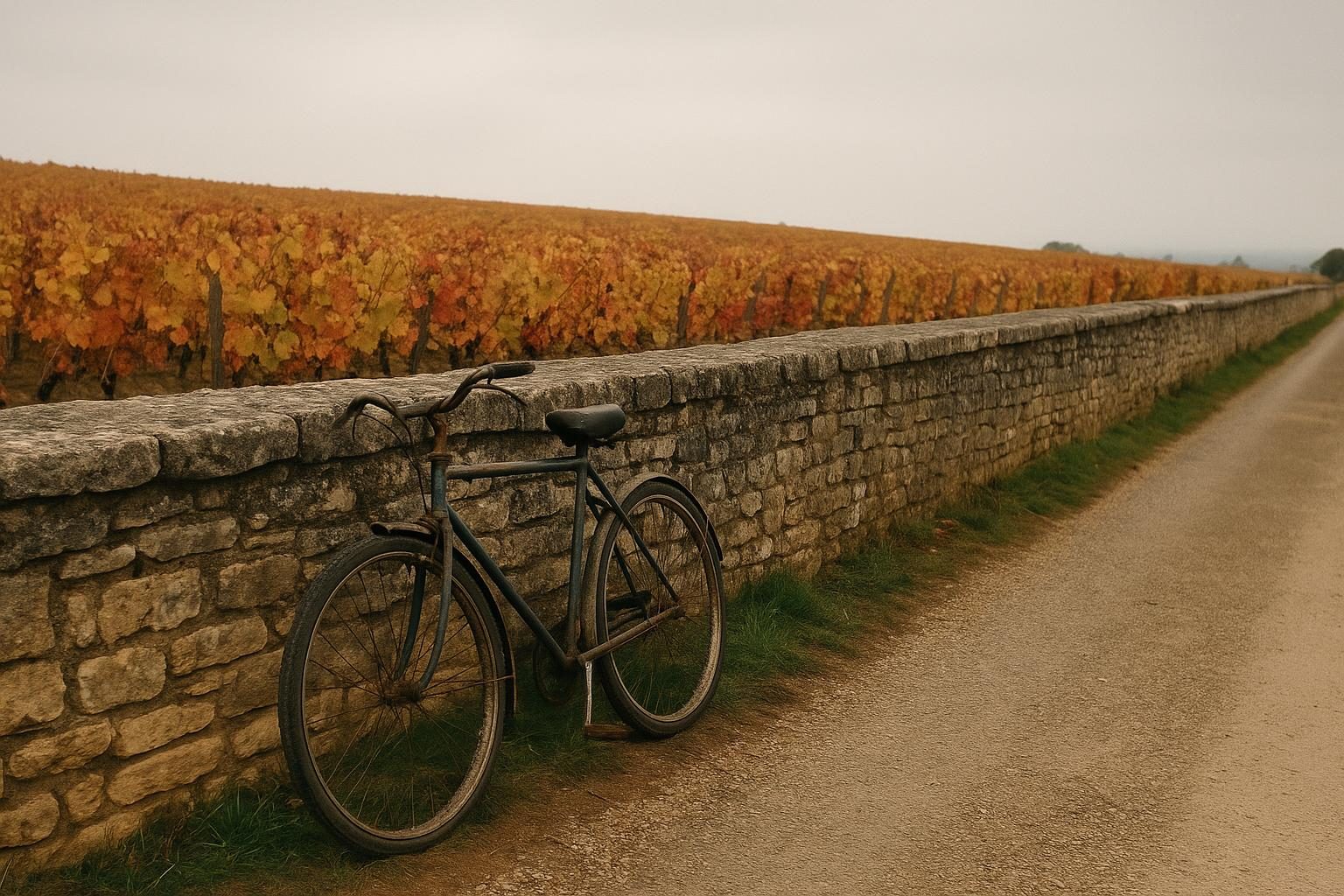
The finest way to arrive in Santenay is the Voie des Vignes, the cycle route linking Beaune to the village through Pommard, Meursault and Chassagne-Montrachet. Spring and autumn offer the best light and winegrowers who are more available than at the height of summer. Plan to combine a morning of tastings, a walk up to the Moulin Sorine and an afternoon of relaxation at the spa: few wine destinations allow such a balance between the pleasure of wine and well-being.
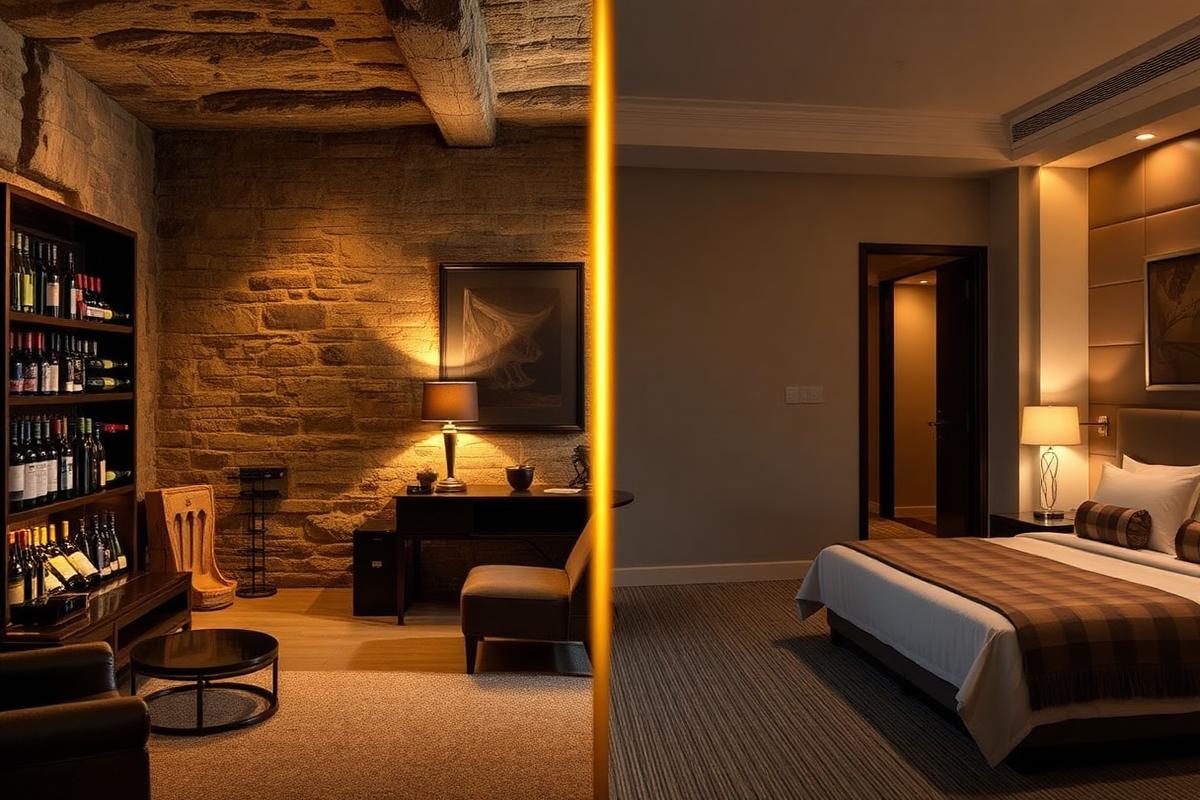
To roam freely between Santenay, Beaune and the Côte de Nuits, oenosuite.fr makes an ideal base in the heart of Dijon, from where the whole Route des Grands Crus is within easy reach. You can devote a full day to the southern Côte de Beaune and its thermal spa, then head north the next day to the great villages of the Côte de Nuits and Côte de Beaune, without ever having to repack your bags or change hotel.
Sources & references
Plan your trip to Burgundy
Book your wine accommodation in Dijon
Luxury wine suite with complimentary blackcurrant liqueur, Jalunia connected cellar and wine tourism experiences.
Book now