Pommard and Volnay: Two Villages, Two Characters in the Côte de Beaune
Simon Stoll
Oenosuite Founder
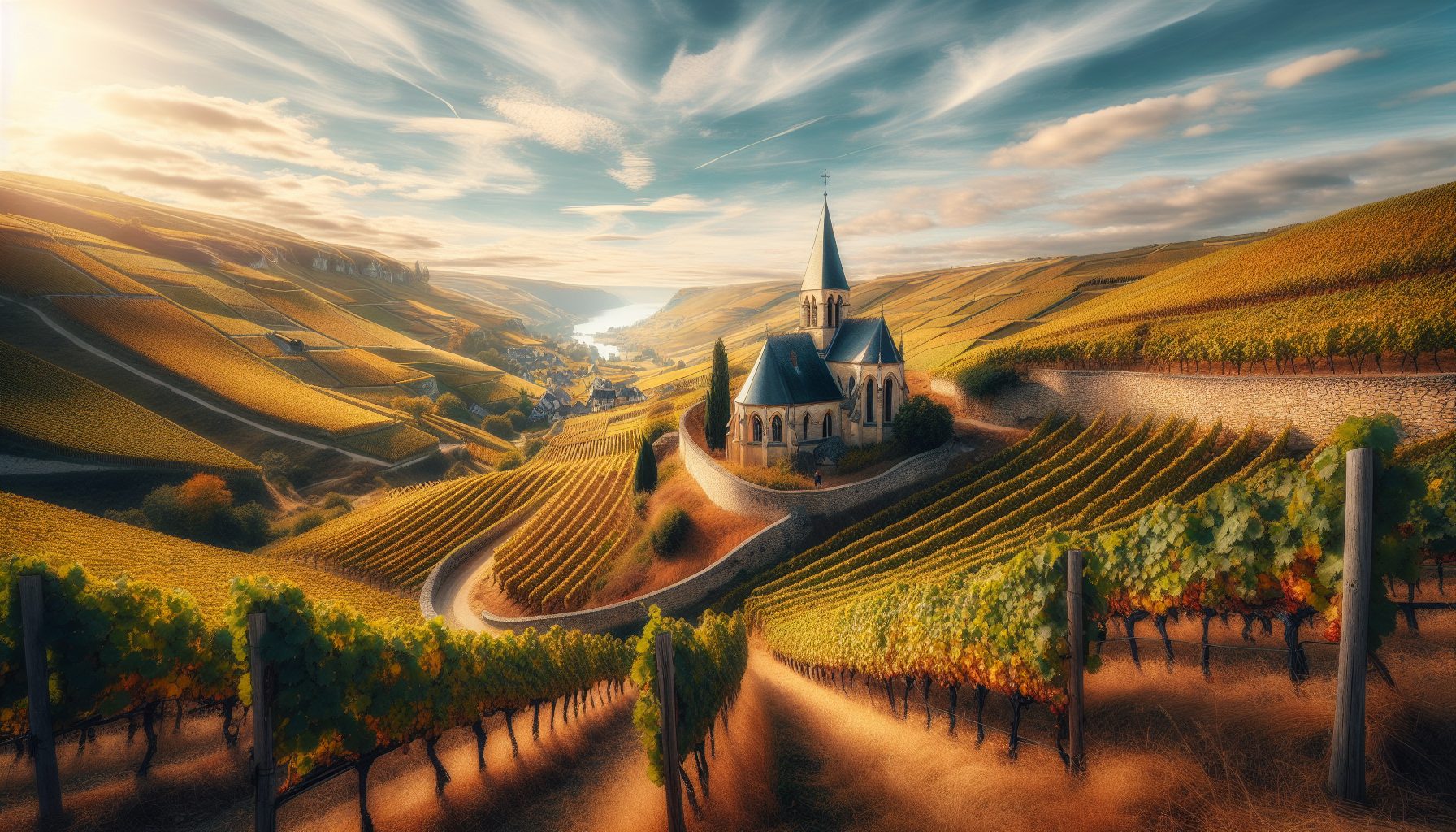
On the Côte de Beaune, between Beaune and Meursault, lie two villages that make every Burgundy lover dream: Pommard and Volnay. Separated by just a few hundred metres of vines, they nonetheless produce wines that are radically different in character and expression. On one side, the velvety power of Pommard, a wine built for ageing, described as virile and structured. On the other, the silky lightness of Volnay, with an elegance and finesse that place it among the world's greatest Pinot Noirs. Understanding this duality means understanding the very essence of Burgundy: two geographically close terroirs with distinct viticultural personalities, shaped by people, soils and history across the centuries.
Pommard: Power in the Service of Elegance
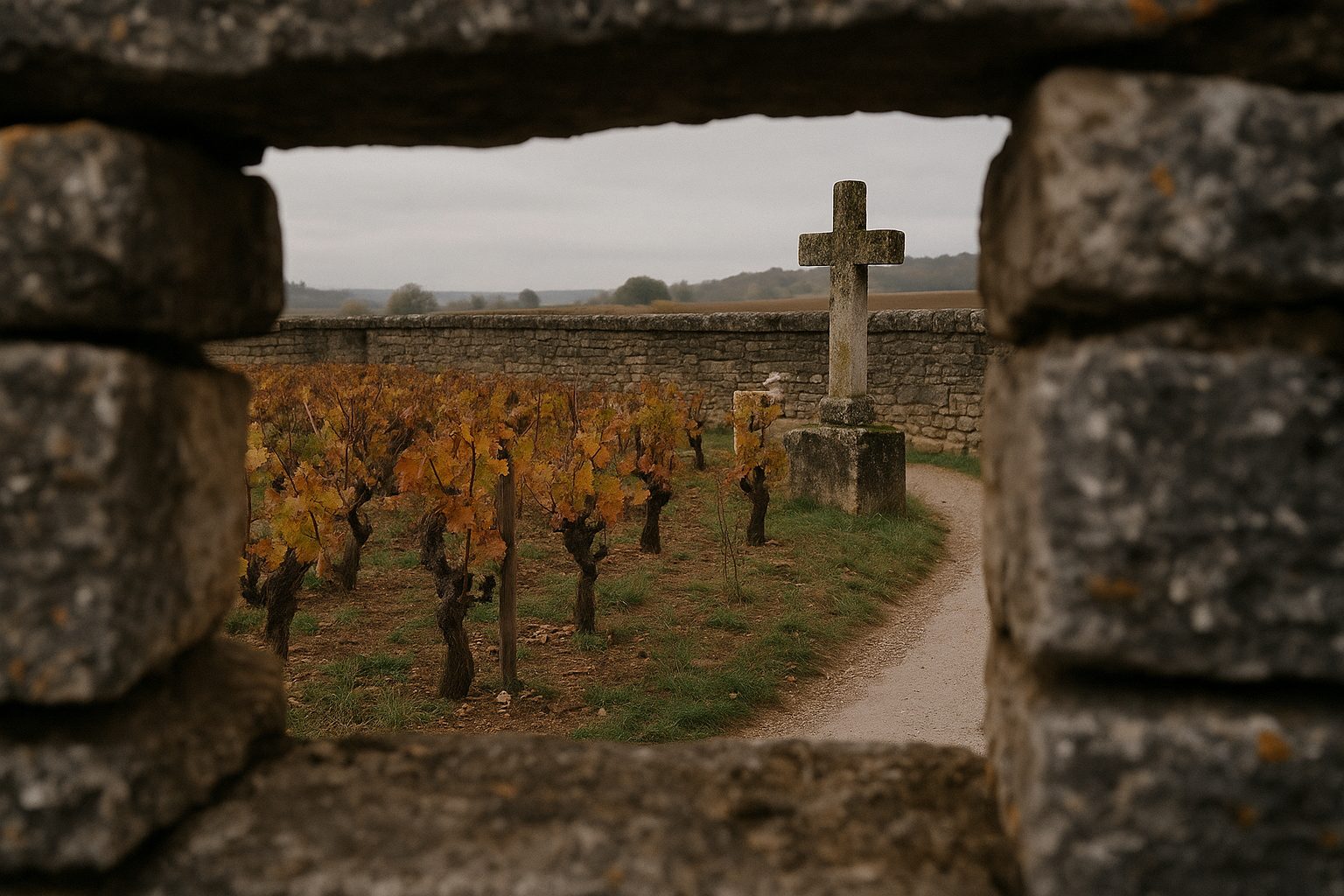
Pommard is one of Burgundy's most celebrated appellations, and arguably one of the most internationally recognisable. Its short, punchy name, easy to pronounce in any language, earned it an early and enduring reputation that has sometimes overshadowed equally illustrious neighbours. But behind this natural marketing lies an exceptionally rich terroir. The village of Pommard is surrounded by a single block of vines classified as a village appellation, with no Grand Cru, a rare distinction in the Côte d'Or, but no fewer than 28 Premier Crus spread across 125 hectares. Pommard's soils are primarily composed of heavy clays and limestone, a combination that gives the wines their characteristic tannic structure and exceptional ageing potential. A Pommard from a great estate can easily age 15 to 25 years, gradually revealing aromas of undergrowth, leather, cedar and dark preserved fruits of fascinating complexity.
The emblematic Premier Crus of Pommard include Les Rugiens (Bas and Hauts), Les Épenots (Grands and Petits) and Les Jarollières. Les Rugiens, located on the boundary with Volnay, are considered by many as Pommard's finest climat, they could have claimed Grand Cru status if the 1936 classification had been more generous. Their rust-coloured, iron-rich, clay-heavy soil produces wines of exceptional density and depth.
Volnay: Finesse in Its Purest Form
If Pommard is the warrior of the Côte de Beaune, Volnay is its dancer. Perched high on the hillside at around 300 metres altitude, Volnay benefits from thinner, well-drained limestone soils that give its wines unrivalled lightness, freshness and aromatic finesse. Here, Pinot Noir expresses its most seductive side: red flowers (peony, violet), fresh fruits (strawberry, raspberry), delicate spice, with a finish of crystalline purity. Volnay has 34 Premier Crus across 211 classified hectares, making it one of Burgundy's most parcellated communes. Among them, Les Caillerets, Les Champans, Clos des Chênes and Clos du Château des Ducs enjoy international renown. Knowledgeable enthusiasts also seek out Volnay Santenots, a climat located within Meursault but vinified as a red wine and sold under the Volnay AOC.
The difference between Pommard and Volnay comes down largely to geology: where Pommard rests on thick clay layers that retain moisture and warm the grapes, Volnay sits on well-draining limestone scree that preserves freshness and acidity. This classic opposition, clay versus limestone, power versus finesse, is at the heart of what makes the Côte de Beaune so fascinating to wine lovers around the world.
How to Plan Your Wine Tourism Visit
Pommard and Volnay are best visited as a day trip from Beaune (12 km) or Dijon (35 km). The Route des Grands Crus will lead you there naturally, passing through Meursault and Auxey-Duresses. Here are some practical tips to make the most of your visit. First, book tastings in advance: the most reputable estates are often fully booked several weeks ahead, especially in high season (May to October). Platforms like Winalist make it easy to book guided visits and tastings in both villages. Second, plan for a maximum of two estates per village to avoid overwhelming your palate. Tasting great Pinot Noirs requires focus and sensory availability, three memorable visits are worth more than six muddled tastings. Third, choose varied vintages during your tastings: comparing a 2019 Pommard (sunny and concentrated) with a 2014 (fresh and linear) is a terroir lesson in itself.
Estates Not to Miss
In Pommard, Domaine de Courcel, Domaine Lejeune and Château de Pommard stand out for their very different styles: Courcel for its age-worthy Premier Crus, Lejeune for its demanding biodynamic approach, and Château de Pommard for its ambitious viticultural ecotourism and its château open to the public. In Volnay, Domaine Michel Lafarge, an absolute reference for generations, Domaine Marquis d'Angerville with its remarkably pure Premier Crus, and Domaine Rossignol-Jeanniard for a more accessible but high-quality approach are all worth prioritising. In both cases, don't hesitate to ask about vintages available for direct sale, you'll often find better value than at a wine merchant, and buying direct supports independent winemakers.
Combining Pommard, Volnay and Wine Accommodation
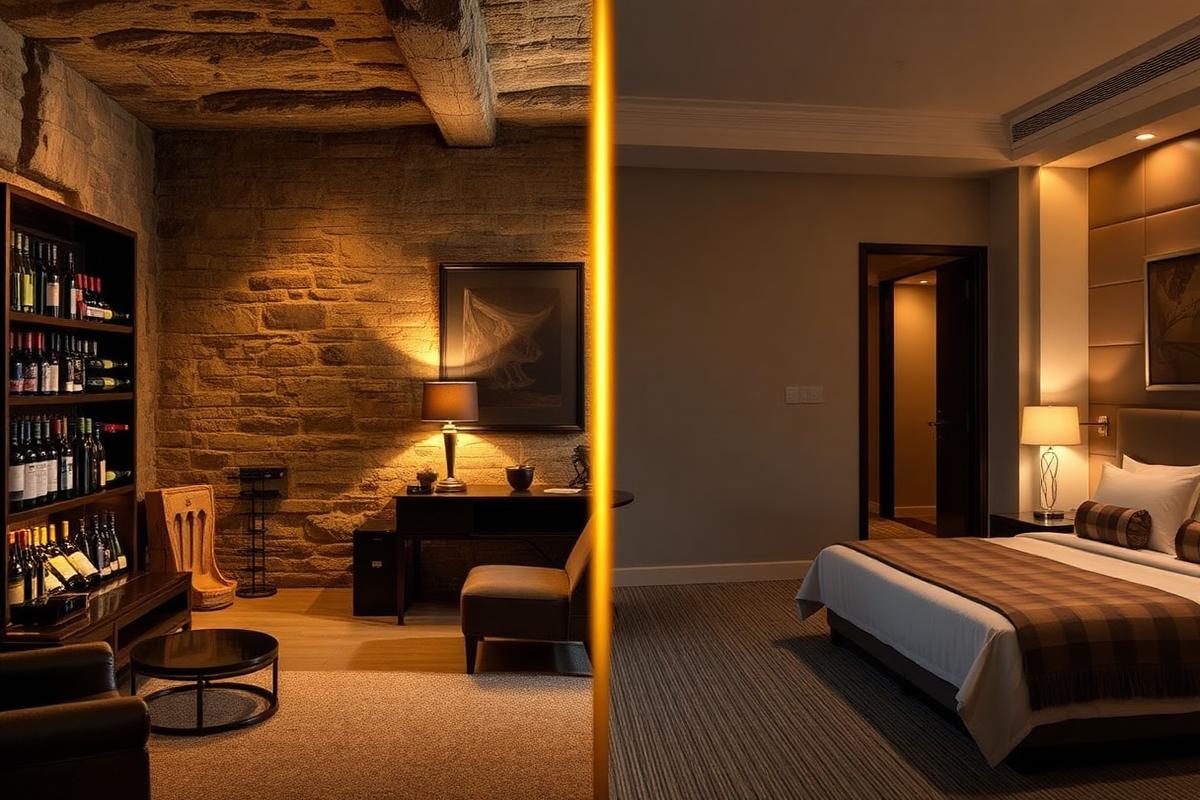
To fully experience these two villages, it's best to stay locally or at nearby wine-dedicated accommodation. Through Oenosuite.fr, you can organise a complete wine tourism stay centred on the Côte de Beaune, with access to tasting boxes and selected partners to explore the finest Burgundy appellations in comfortable, authentic surroundings. The Côte de Beaune also pairs beautifully with other visits: the cellars of Beaune, the Meursault market, the whites trail from Meursault to Chassagne-Montrachet. A day in Pommard and Volnay can be integrated into a 2-3 day itinerary between Beaune and Meursault for full immersion in Burgundy's greatest terroirs.
Practical tip: if you visit in autumn during the harvest (mid-September to early October), the villages come alive with a unique energy. Tractors loaded with grapes cross the streets, cellars fill with the scent of fermenting must, and winemakers, though busy, always warmly welcome curious visitors. It's the ideal time to understand where these great wines come from: a whole year of work culminating in a few intense days of harvest.
Pommard and Volnay are far more than two names on a wine map. They are living villages, inhabited by winemaking families who have often tended the same plots for generations. Taking the time to visit them, to meet the people behind these wines, to hear their stories and taste their cuvées in their natural context, is to touch the very essence of what makes Burgundy unique in the world. To plan your itinerary and discover selected wine accommodation and partners, visit oenosuite.fr and let yourself be guided towards the finest experiences on the Côte de Beaune.
Plan your trip to Burgundy
Book your wine accommodation in Dijon
Luxury wine suite with complimentary blackcurrant liqueur, Jalunia connected cellar and wine tourism experiences.
Book now