Irancy and Saint-Bris: Burgundy's Underrated Outsiders
Simon Stoll
Oenosuite Founder
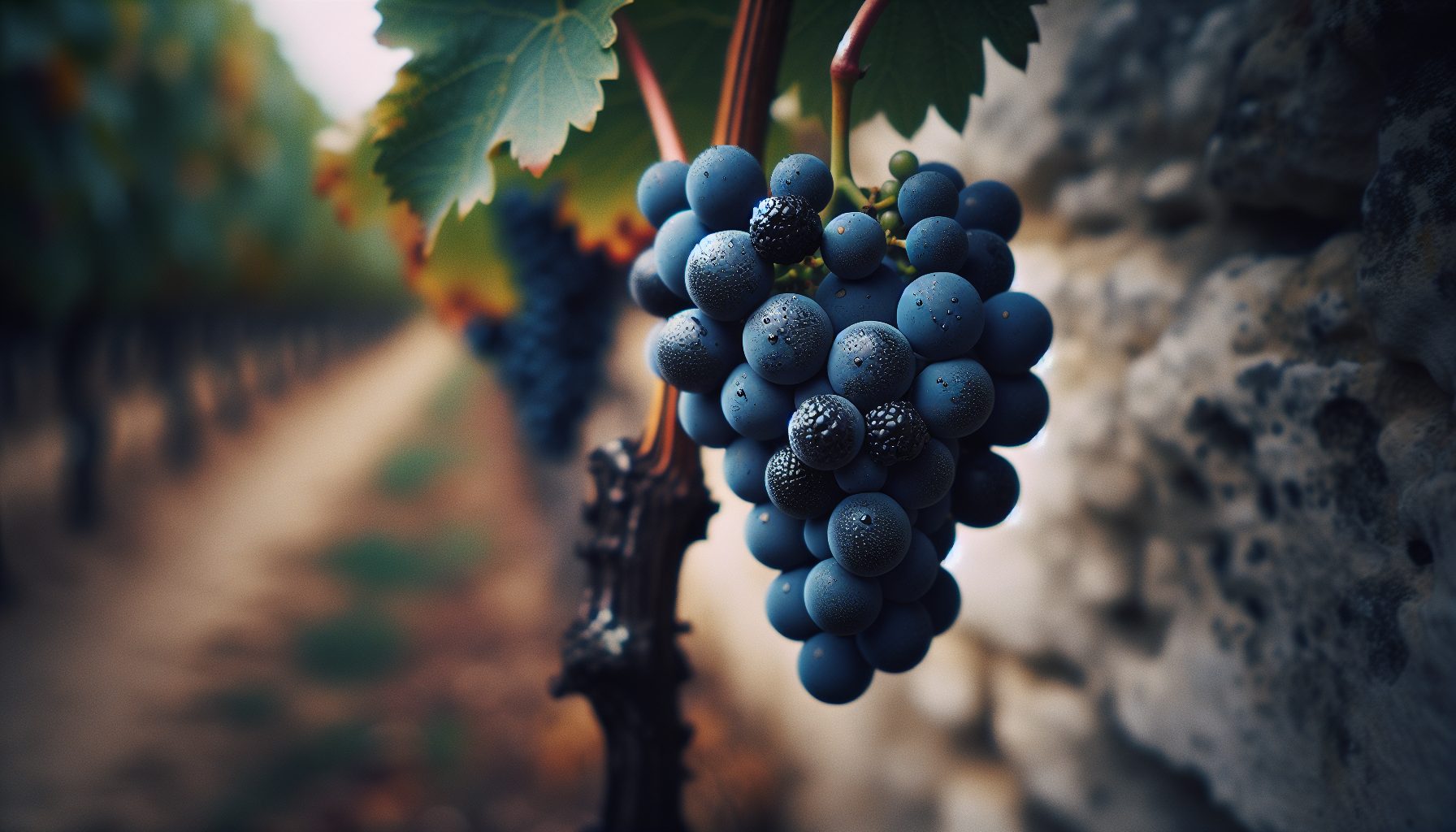
Irancy and Saint-Bris are two village-level Burgundy appellations located in the Yonne department, about fifty kilometres northwest of the Côte d'Or, in the wine region known as the Grand Auxerrois. Irancy, granted AOC status in 1999, produces exclusively red wines from Pinot Noir and the rare César grape. Saint-Bris, elevated to AOC in January 2003, is the only Burgundy appellation that allows Sauvignon Blanc and Sauvignon Gris.
Far from Montrachet and Romanée-Conti, these two villages cultivate a quieter, fresher Burgundy, and, for anyone who enjoys wines that don't taste like anything else, often a more surprising one. Here is why these "outsiders" deserve a real detour, and how to fit them into a wine-tourism trip combining Dijon, Beaune and the Yonne.
Irancy: the only red of the Auxerrois (and the comeback of César)
The Irancy AOC area covers three communes, Irancy, Cravant and Vincelottes, for a total of around 207 hectares planted (French Customs figures, 2023). It's a tiny piece of land on the Burgundian map, but a piece loaded with history: the vineyards of Irancy are mentioned as early as the High Middle Ages, notably in a donation from Charles II the Bald to the Abbey of Saint-Germain d'Auxerre in 861.
Irancy's great peculiarity is the César grape variety, an ancient, rustic cultivar said to have been brought in by Roman legions. The appellation decree authorises up to 10% César in the Pinot Noir blend, and the total area planted with César within the AOC amounts to roughly 5 hectares. César brings deep colour, tannic backbone, and distinctive notes of liquorice and pepper, a natural "booster" for cool vintages where Pinot Noir alone can lack substance.
Irancy's most emblematic climat is undoubtedly Palotte: 5.6 hectares shared between 17 owners, on a well-exposed slope. As early as 1816, oenologist André Jullien wrote in his Topographie de tous les vignobles connus that the wines of Palotte "could rank in the first class". Today, several growers and the INAO are working towards Premier Cru classification, Irancy currently has none.
On the producer side, the reference remains Domaine Anita, Jean-Pierre et Stéphanie Colinot, the tenth generation of growers in Irancy, farming 13 hectares at the heart of the appellation. Their Cuvée Soufflot, aged in oak, is a tribute to Jacques-Germain Soufflot (1713-1780), the architect of the Panthéon in Paris, who was born in Irancy and was a descendant of the Colinot family. The estate produces nine Irancy cuvées blending Pinot Noir with 8-10% César, plus two cuvées (Les Cailles, Les Boudardes) made entirely from Pinot Noir.
Saint-Bris: Burgundy's only Sauvignon appellation
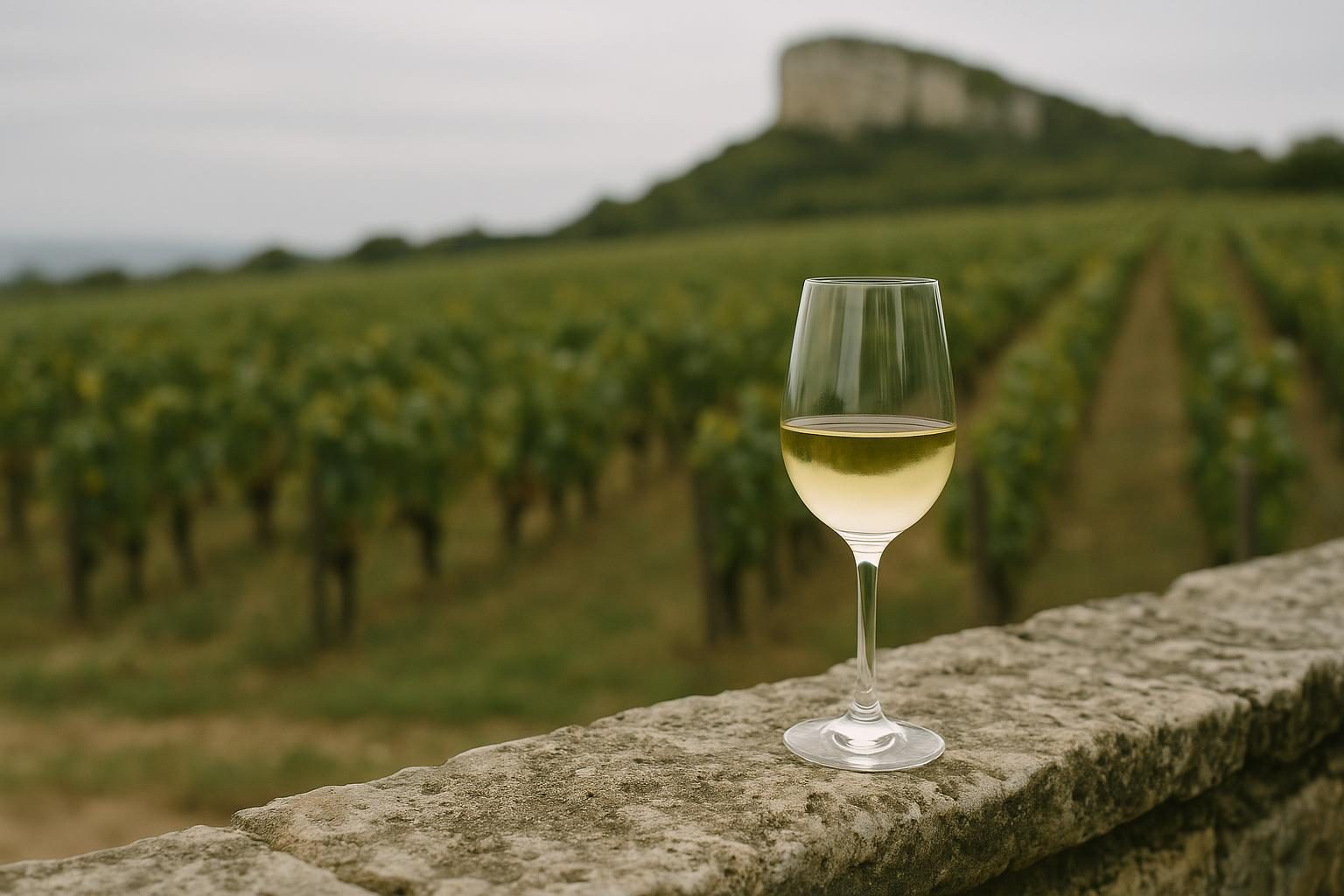
About ten kilometres from Irancy, Saint-Bris is the Burgundian exception par excellence: it is the only Burgundy appellation that allows Sauvignon (Blanc and Gris). The AOC decree, signed in January 2003, was the culmination of a long road, Saint-Bris wines had been classified VDQS "Sauvignon de Saint-Bris" since 1974, and it was from the 2001 vintage onwards that growers could finally use the AOC name.
The appellation covers around 130 hectares spread over five communes (Saint-Bris-le-Vineux, Chitry, Irancy, Quenne and Vincelottes). The terroir, Kimmeridgian limestone and marls rich in Exogyra virgula, capped with small Barrois pebbles, is a cousin of nearby Chablis. The cool semi-continental climate, with long winters and short summers, gives Sauvignon a specific expression: less exuberant than its Loire counterpart, more mineral, marked by gun-flint notes and white citrus.
The village of Saint-Bris-le-Vineux is itself a treasure. The Saint-Prix-Saint-Cot church, built between the 13th and 16th centuries, houses a monumental fresco 8 metres high and 5 metres wide depicting the Tree of Jesse, dated 1500. Beneath the village streets stretches a labyrinth of vaulted medieval cellars (11th-13th centuries), among the most impressive in Burgundy, still used today for vinification and ageing of the local wines.
Three estates to taste these "outsiders"
Domaine Goisot (Saint-Bris-le-Vineux). A growing family traced back to Saint-Bris in the 14th century, the estate today farms 30 hectares spread across Saint-Bris, Irancy and Chablis. Absolute pioneers of organic farming in the Auxerrois, Jean-Hugues and Ghislaine Goisot started the organic conversion in 1979, obtained ECOCERT certification in 2001, and have been certified biodynamic by Demeter since 2005. The domain plants at very high density (10,000 vines per hectare), a demanding choice that favours ripeness and aromatic complexity.
Domaine Anita, Jean-Pierre et Stéphanie Colinot (Irancy). Ten generations, 13 hectares, and one obsession: preserving the identity of César in their blends. The tasting room, in the heart of the village, offers comparative tastings between 100% Pinot Noir cuvées (Les Cailles, Les Boudardes) and blends with César (Palotte, Mazelots, Vieilles Vignes). A free masterclass on what this forgotten variety brings to the glass.
Domaine Jean-Louis & Jean-Christophe Bersan (Saint-Bris-le-Vineux). A growers' family established in Saint-Bris since the 15th century, certified organic since 2012, farming 22 hectares across Saint-Bris, Chablis, Bourgogne Aligoté, Irancy and Crémant de Bourgogne. The visit's standout feature: tastings take place in vaulted cellars dating from the 11th to 13th centuries, beneath the village. A rare dive into medieval winemaking history.
Caves Bailly-Lapierre: the cradle of Crémant de Bourgogne
No visit to Saint-Bris is complete without a stop at the Caves Bailly-Lapierre, founded in 1972 by Auxerrois growers to produce Crémant de Bourgogne. The site is unique: it is a former limestone quarry whose galleries, carved from the 12th century onwards to build part of the Burgundian and Parisian heritage, were turned into a mushroom farm from 1927 to 1972, before being converted into wine cellars.
Today, 4 hectares of cellars 50 metres underground house up to 7 million bottles in ageing. The guided tour (€8 per adult) includes the discovery of contemporary stone sculptures, an explanation of the traditional method, and the tasting of two cuvées. A family-friendly experience, and especially spectacular for anyone who has never seen a working underground sparkling-wine production site.
Practical tips for visiting the Grand Auxerrois
When to go? April to October to enjoy outdoor tastings and the panoramas over the Yonne valley. September, the harvest period, is particularly lively, but book visits well in advance, as growers are then in high demand.
Which food pairings? A young Irancy (2-4 years) goes beautifully with a Chablis-style andouillette or a Dijon mustard chicken. With an older Irancy (8-12 years, blended with César), try a well-aged Époisses cheese. On the Saint-Bris side, the local Sauvignon is unbeatable with fresh Burgundian goat cheese and Yonne crayfish.
Where to stay? The Grand Auxerrois remains rural: few high-end hotels, but plenty of bed-and-breakfasts at the growers' homes. For a stay combining Auxerrois and Côte d'Or, base yourself in Dijon in a dedicated wine-tourism accommodation such as oenosuite.fr: a 1h15 drive takes you to Saint-Bris-le-Vineux and lets you string together Irancy, Chablis, then the Côte de Nuits and the Côte de Beaune over a single weekend. Ideal for anyone who wants to taste the real diversity of Burgundy, not just its postcards.
Sources & references
- Irancy AOC, Bourgogne Wines (BIVB)
- Saint-Bris AOC, Bourgogne Wines (BIVB)
- Domaine Goisot, Saint-Bris-le-Vineux
- Domaine Colinot, Irancy
- Domaine Bersan, Saint-Bris-le-Vineux
- Caves Bailly-Lapierre, Crémant de Bourgogne
- Auxerre & Auxerrois Tourist Office, Saint-Bris-le-Vineux
- Auxerre & Auxerrois Tourist Office, Irancy
Plan your trip to Burgundy
Book your wine accommodation in Dijon
Luxury wine suite with complimentary blackcurrant liqueur, Jalunia connected cellar and wine tourism experiences.
Book now