Saint-Véran, Viré-Clessé, Pouilly-Loché: Pouilly-Fuissé's Neighbours
Simon Stoll
Oenosuite Founder
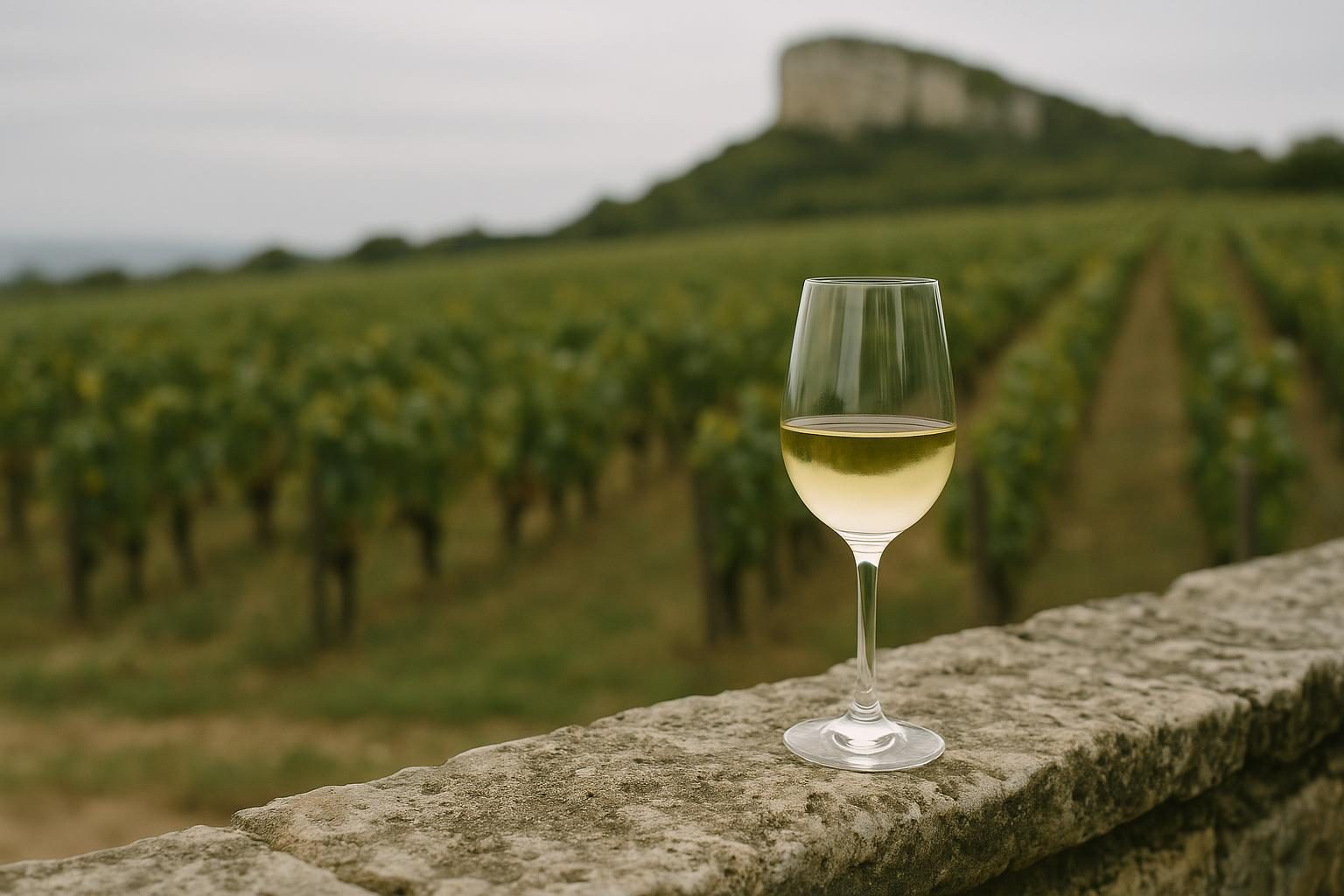
The neighbours of Pouilly-Fuissé (Saint-Véran, Viré-Clessé, Pouilly-Loché and Pouilly-Vinzelles) all make Chardonnay whites in southern Burgundy, with very different profiles and histories. Saint-Véran dates from January 1971, Viré-Clessé from 1999, Pouilly-Vinzelles from 1940, and the two lesser-known Pouilly appellations have just gained premiers crus, starting with the 2024 vintage. If you want to know Mâconnais wines beyond the famous appellation, here is how to tell them apart, what makes them interesting and how to taste them methodically.
Pouilly-Fuissé is not alone: a map of its neighbours
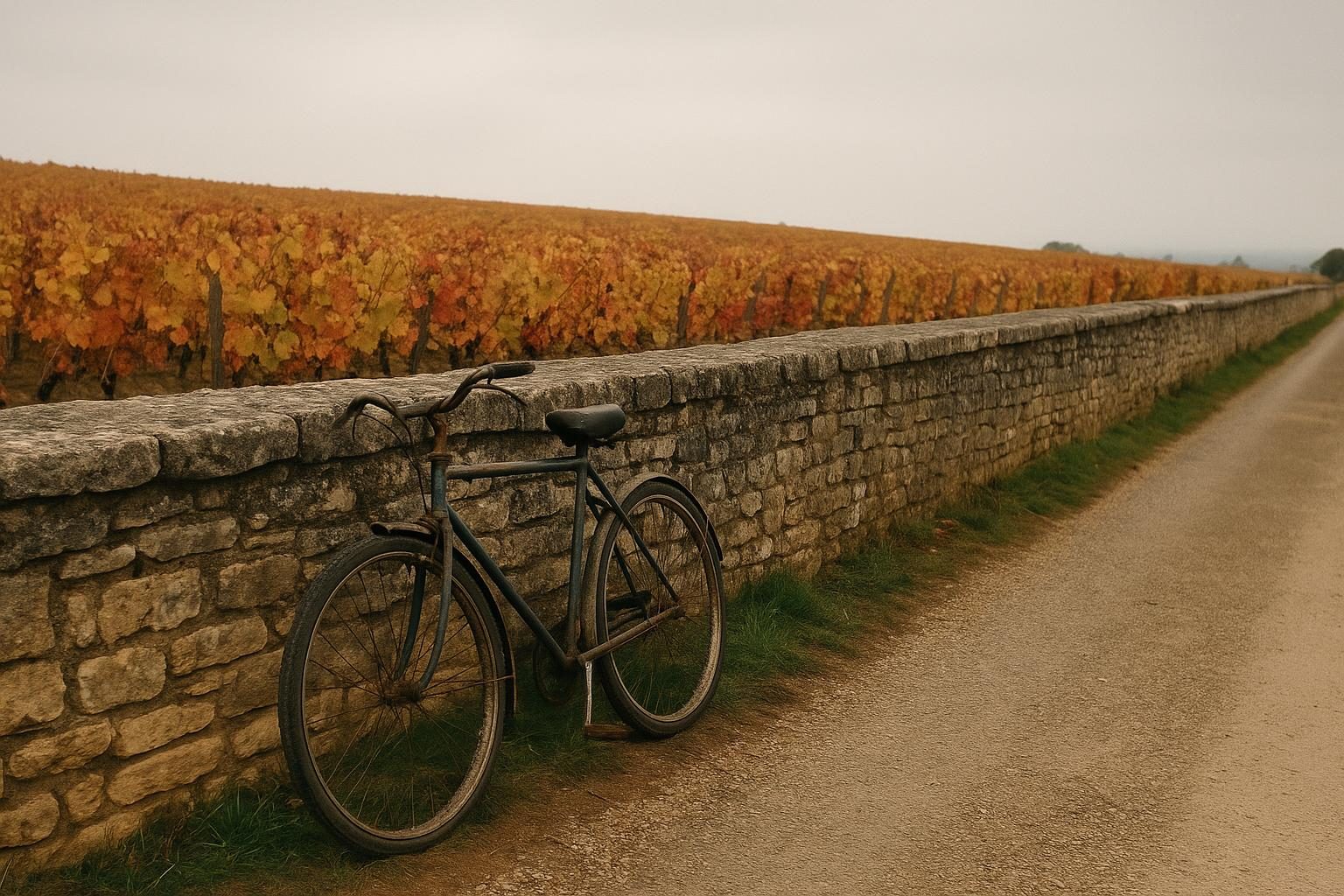
The Mâconnais is hard to read if you only know the Côte d'Or: there is no long continuous slope here, but limestone and clay hills gathered around spectacular rocks. The Roche de Solutré rises to 493 metres and belongs to the Solutré Pouilly Vergisson Grand Site de France. Access is free, and the 4 km trail from the car park, with roughly 100 metres of climb, has no major difficulty according to the Mâcon tourist office. It is the best starting point to understand the geography of these appellations, because the vines spread out at your feet.
The four appellations covered here share a single grape, Chardonnay, but not the same soil, altitude or reputation. Pouilly-Fuissé, larger and better known, is the reference point. Around it lie wines that are often cheaper to buy, sometimes less known, and well worth tasting side by side to feel the nuances: tauter here, rounder there, riper elsewhere. Prices vary by estate and vintage, so ask the growers directly rather than relying on a single figure.
Saint-Véran: the belt around Pouilly-Fuissé
Saint-Véran was recognised on 6 January 1971. The appellation is split into two zones, with Pouilly-Fuissé sitting between them: to the north, Davayé, Prissé and Solutré-Pouilly, on the slopes of the Roche; to the south, Chânes, Chasselas, Leynes, Saint-Vérand and, in theory, Saint-Amour-Bellevue. According to the profile published by Burgundy Report, there are roughly 720 to 730 planted hectares out of 844 classified, around 250 producers declaring a harvest, and altitudes between 200 and 450 metres. Figures vary by source and year: keep the order of magnitude, more than 700 planted hectares, rather than a precise number.
Soils are clay-limestone, with fossilised shells visible in places, grey marls in the north and limestone marls in the south. This variety explains clear differences in style from village to village: the Burgundy Report profile notes up to 10 days between northern and southern picking dates in 2017, and describes Davayé as slightly warmer than its neighbours. It also noted that Saint-Véran had no premier cru yet, with a project launched in 2010 considering several dozen climats. Until that status exists, the name of the estate and of the lieu-dit makes the difference: read the labels.
Viré-Clessé: the northern white, and the Bongran affair
Viré-Clessé was created in 1999 to replace the former Mâcon-Viré and Mâcon-Clessé designations. It covers four communes, Viré, Clessé, Montbellet and Laizé, and allows only Chardonnay, for white wines, on about 430 planted hectares according to Wine With Seth. The wines often have a reputation for being fuller and riper than those of Pouilly-Fuissé, with a clay-marl influence in the soils.
The story of this appellation comes down to one name: Jean Thévenet, of Domaine de la Bongran, in Quintaine, a hamlet of Clessé. The 1999 rules demanded dry wines with less than 4 g/L of residual sugar, which excluded the very late harvests, sometimes touched by noble rot, that he had been making since the 1970s and 80s. A dispute followed, during which some cuvées were sold as Vin de France, until a 2002 INAO amendment allowed naturally late-harvested wines above 4 g/L. The episode is a reminder that an appellation is a living text, open to negotiation, and that one grower can change its rules.
Pouilly-Loché and Pouilly-Vinzelles: the small ones on the rise
Pouilly-Vinzelles has existed since 1940, on the communes of Vinzelles and Loché, and neighbouring Pouilly-Loché is smaller still, at about 32 hectares. Both are often overlooked in favour of Pouilly-Fuissé, and both have won recognition of their premiers crus, starting with the 2024 vintage. In Pouilly-Loché a single climat is concerned, Les Mûres (7.09 hectares). In Pouilly-Vinzelles there are three: Les Quarts (12.45 hectares), Les Longeays (7.50 hectares) and Les Pétaux (2.76 hectares), according to figures published by iDealwine. These tiny surfaces make rare wines, to be sought from growers or a few wine merchants. According to Le Baroudeur du Vin, the premier cru rules include hand harvesting, a ban on herbicides and a maximum yield of 58 hl/ha, with release on the market from 15 July of the year after harvest. It is a chance to taste newborn crus, knowing that how they evolve in bottle remains to be seen.
Comparing them from Dijon, your wine weekend base
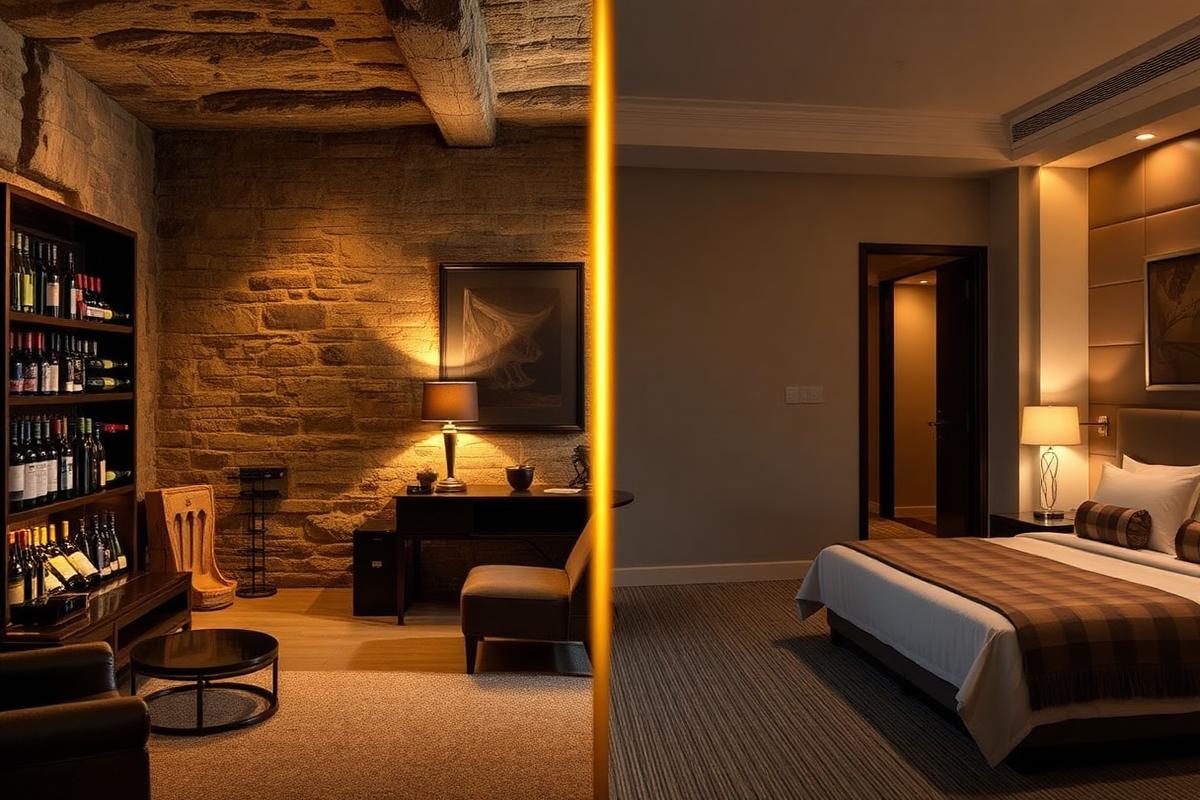
To learn to recognise these whites, nothing beats a blind comparison: a Saint-Véran, a Viré-Clessé, a Pouilly-Vinzelles and, why not, a Meursault to measure the gap with the Côte de Beaune. At Oenosuite (oenosuite.fr), in the heart of Dijon and a short walk from the Palais des Ducs, tasting socks are left in the apartment for your own blind tasting: bring your Mâconnais bottles and organise it yourselves. The Suite Charme & Vin (43 m², 2 to 4 guests, exposed stone) and the Loft d'Artiste (25 m², 2 guests, designed by Dijon architect Alexandrine Vaure) both come with a self-service Jalunia connected wine cellar, a wine escape game and a miniature of Dijon crème de cassis offered on arrival. It is the only apartment labelled Vignobles & Découvertes in Bourgogne-Franche-Comté, rated 4.94/5 on Airbnb from over 100 reviews, with the Route des Grands Crus 20 minutes away.
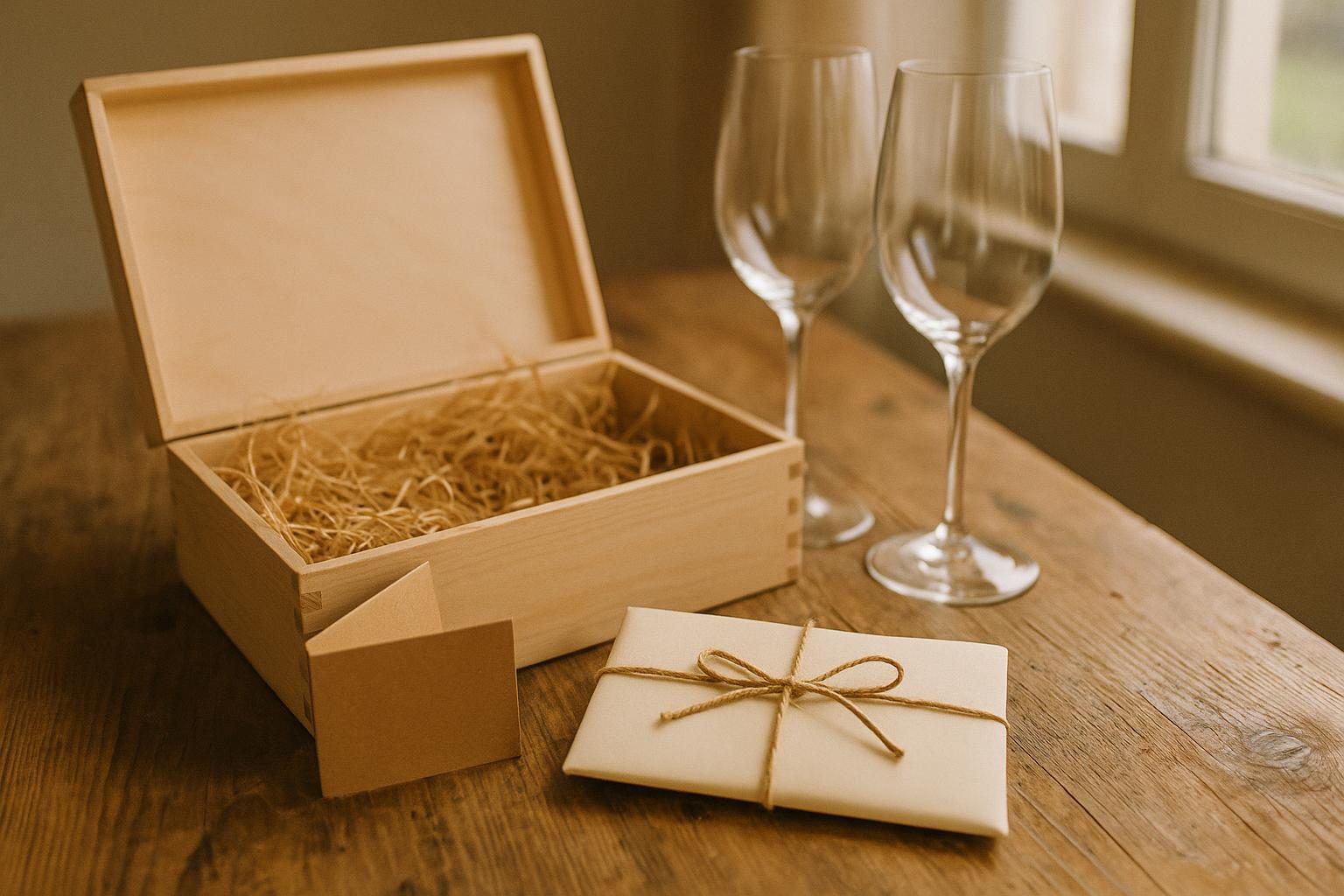
And if this guide makes you want to give the trip as a present, the Oenosuite gift card (oenosuite.fr/carte-cadeau) comes in 50, 75, 100, 150, 200 or 300 €, or any custom amount between 25 and 1,000 €, with the recipient's name and a personalised message. It is valid for 12 months, usable on any Oenosuite stay or experience, with a 14-day right of withdrawal. You choose the amount, they choose the dates: a simple answer when you do not know when the wine lover you want to spoil is free. Book direct at oenosuite.fr for the best rate, or call 07 50 96 09 18.
Sources & references
Plan your trip to Burgundy
Book your wine accommodation in Dijon
Luxury wine suite with complimentary blackcurrant liqueur, Jalunia connected cellar and wine tourism experiences.
Book now