Chablis Wine Tasting: Uncovering the Secrets of a Unique Burgundy Terroir
Simon Stoll
Oenosuite Founder
Chablis: A Distinctive Terroir in the Burgundy Landscape
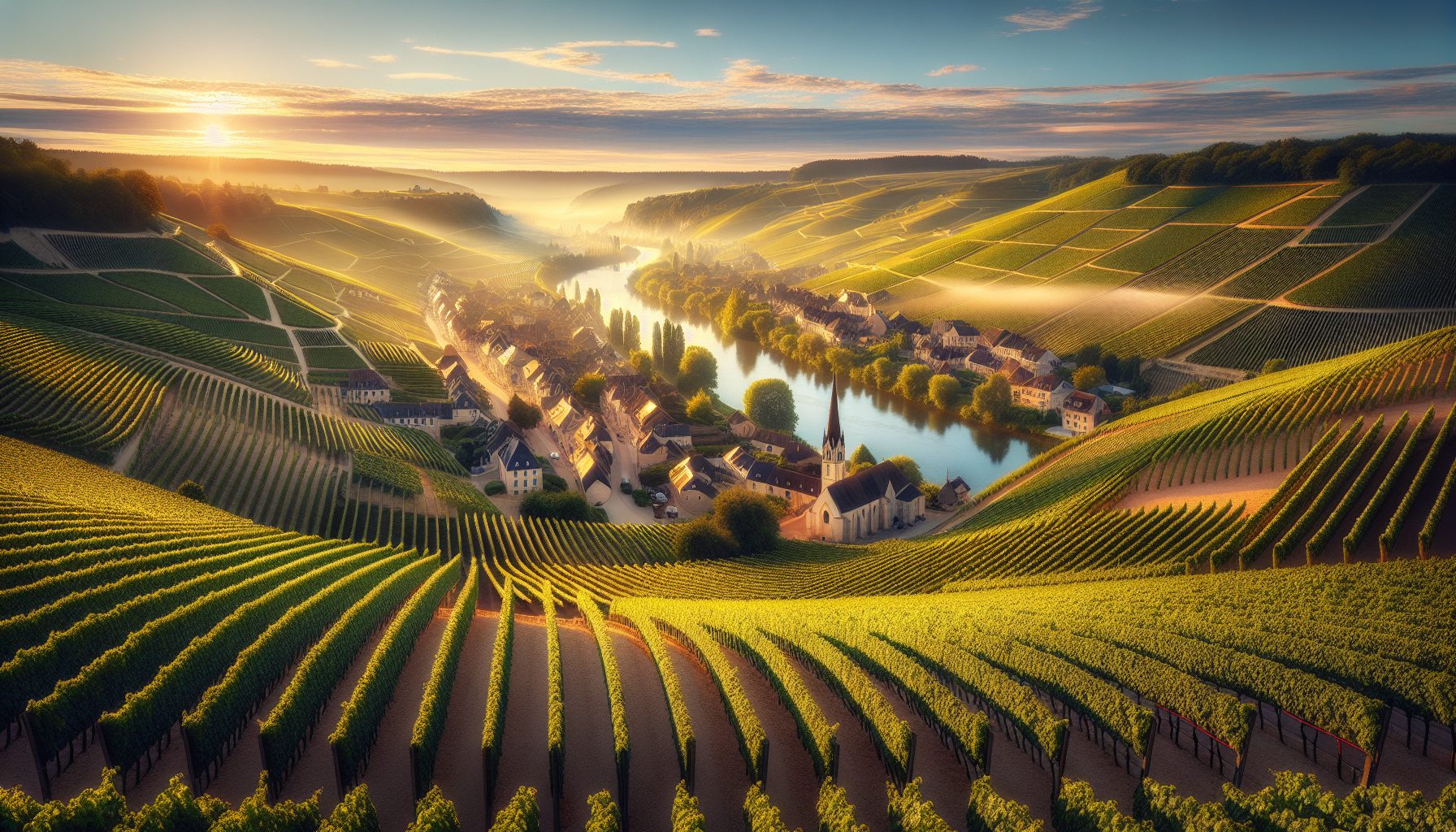
When people think of Burgundy wines, names like Gevrey-Chambertin, Meursault, or Puligny-Montrachet often come to mind first. Yet two hours north of Beaune, the Chablis vineyard holds an entirely unique place in the global wine landscape. Located on the edge of Champagne, in the Yonne department, this small territory of just 5,800 hectares produces exclusively white wines from the Chardonnay grape. But here, Chardonnay expresses itself in a radically different way from its Côte d'Or cousins: with a sharp minerality, crystalline freshness, and an aromatic purity that has earned these wines worldwide renown.
The Secret Lies in the Soil: Kimmeridgian Limestone
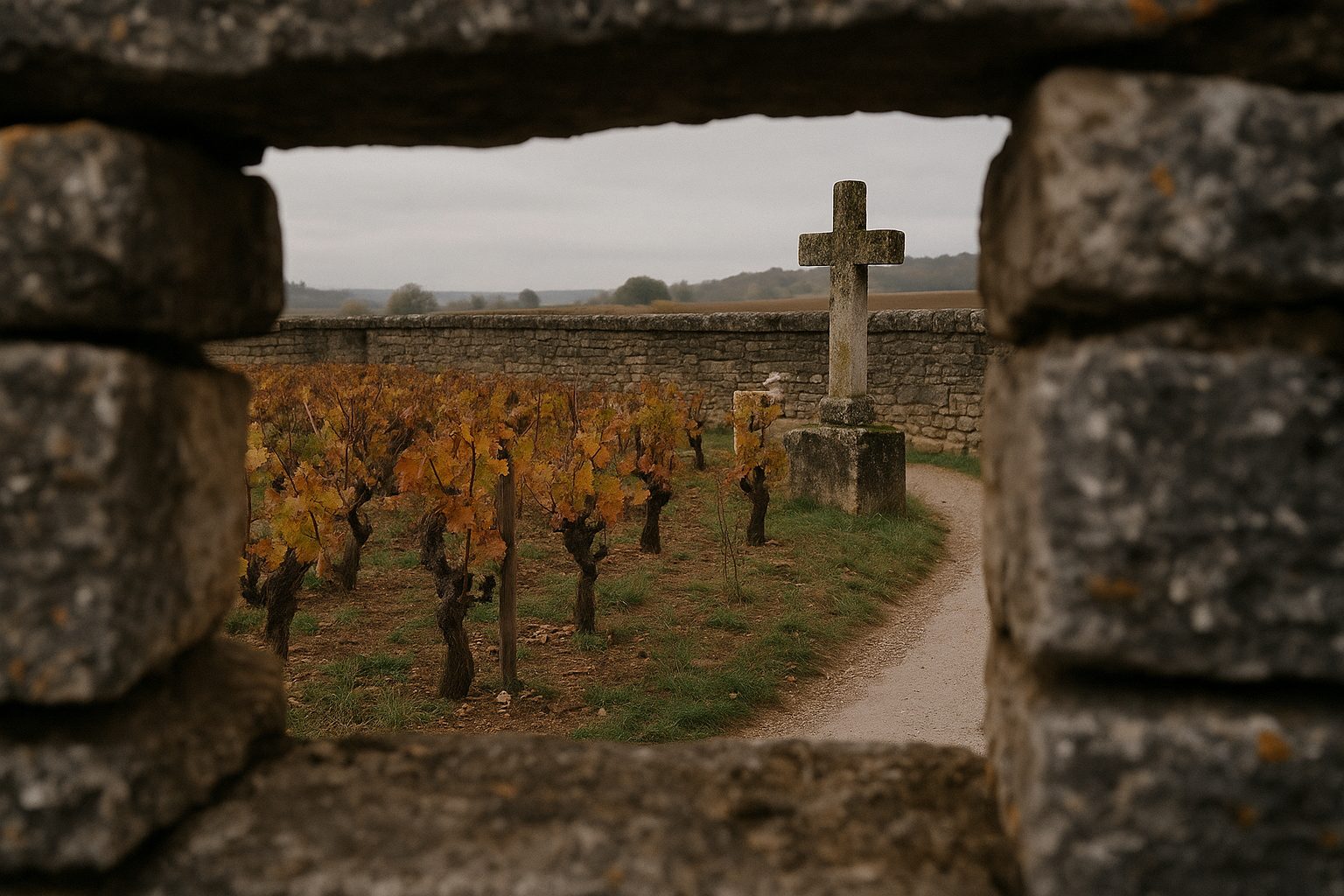
What makes Chablis truly unique is its soil. The terroir rests on marls and limestones from the Kimmeridgian period, a geological formation dating back 150 million years. Looking closely at the vineyard soils, you can spot countless tiny fossilized oyster shells, remnants of an era when this region lay beneath a tropical ocean. This geological composition gives Chablis wines their distinctive minerality, often described as gunflint or wet chalk. It is this terroir imprint that sets an authentic Chablis apart from a simple Chardonnay produced elsewhere.
The Four Appellation Levels of Chablis
The Chablis vineyard is structured across four appellation levels, each reflecting the quality and aspect of the plots. Petit Chablis, the most accessible, comes from surrounding plateaus and delivers fresh, light wines perfect as an aperitif. The Chablis village appellation forms the core of production, offering expressive and versatile wines that pair beautifully with seafood and fish. The Premier Crus, spread across 40 different climats including the celebrated Montée de Tonnerre, Fourchaume, and Mont de Milieu, deliver superior complexity and remarkable aging potential. Finally, the seven Grand Crus, Blanchot, Bougros, Les Clos, Grenouilles, Preuses, Valmur, and Vaudésir, occupy a single south-facing hillside and produce the most concentrated and prestigious wines of the appellation.
Planning a Tasting Day in Chablis: Our Practical Tips
To make the most of a tasting day in Chablis, we recommend starting in the village itself, where several estates offer visits by appointment. Domaine William Fèvre, Domaine Long-Depaquit, and Maison Jean-Marc Brocard are among the must-visits. Plan a morning to tour two estates, then treat yourself to lunch at one of the village restaurants where you can pair your dishes with a Chablis Premier Cru. In the afternoon, a walk through the Grand Cru vineyards offers exceptional views over the Serein valley and helps you understand why this particular exposure produces such remarkable wines.
Chablis at the Table: Food Pairings That Elevate the Terroir
Chablis wines are exceptional gastronomic partners. Their lively acidity and minerality make them ideal companions for oysters, seafood, and grilled fish. A chilled Petit Chablis pairs perfectly with Burgundian gougères or a platter of fresh goat cheese. A Chablis Premier Cru Montée de Tonnerre is elevated beautifully by roasted lobster with beurre blanc. As for the Grand Crus, their concentration and complexity call for more elaborate dishes: salt-crusted turbot, Bresse chicken in cream sauce, or even a 24-month aged Comté cheese. The key is to serve these wines between 10 and 12 degrees Celsius to appreciate all their subtlety.
Integrating Chablis into a Burgundy Wine Tourism Itinerary
The Chablis vineyard fits perfectly into a broader Burgundy wine tourism itinerary. From Dijon, it takes approximately two hours by car to reach the village. We suggest combining a day in Chablis with a visit to the charming village of Irancy and its lesser-known red wines, or a stop in Auxerre to explore its historic center. To extend your stay, oenosuite.fr offers immersive accommodations in the heart of Burgundy's vineyards, ideal as a base camp for exploring the Chablis region as well as the Côte de Nuits and Côte de Beaune. A three-day weekend allows you to comfortably cover Chablis, the Auxerrois, and the great terroirs of the Côte d'Or.
When to Visit Chablis?
Each season brings its own charm to Chablis. Spring, from mid-April to late May, reveals the vines in full bud break and lush green hillsides. This is also the time for the vineyard's Open Doors events, when many estates welcome visitors for special tastings. Summer is ideal for vineyard walks and picnics overlooking the Grand Crus. Autumn, during the September harvest, offers a fascinating spectacle: teams of grape pickers working the plots, presses in action, and the bustling energy of the cellars. Winter brings an intimate atmosphere, perfect for fireside tastings in producers' cellars. Whatever the season, remember to book your visits in advance, especially with small producers whose slots fill up quickly.
Plan your trip to Burgundy
Book your wine accommodation in Dijon
Luxury wine suite with complimentary blackcurrant liqueur, Jalunia connected cellar and wine tourism experiences.
Book now