Burgundy's Climats at UNESCO: What It Really Changed
Simon Stoll
Oenosuite Founder
What Is a 'Climat' in Burgundy?
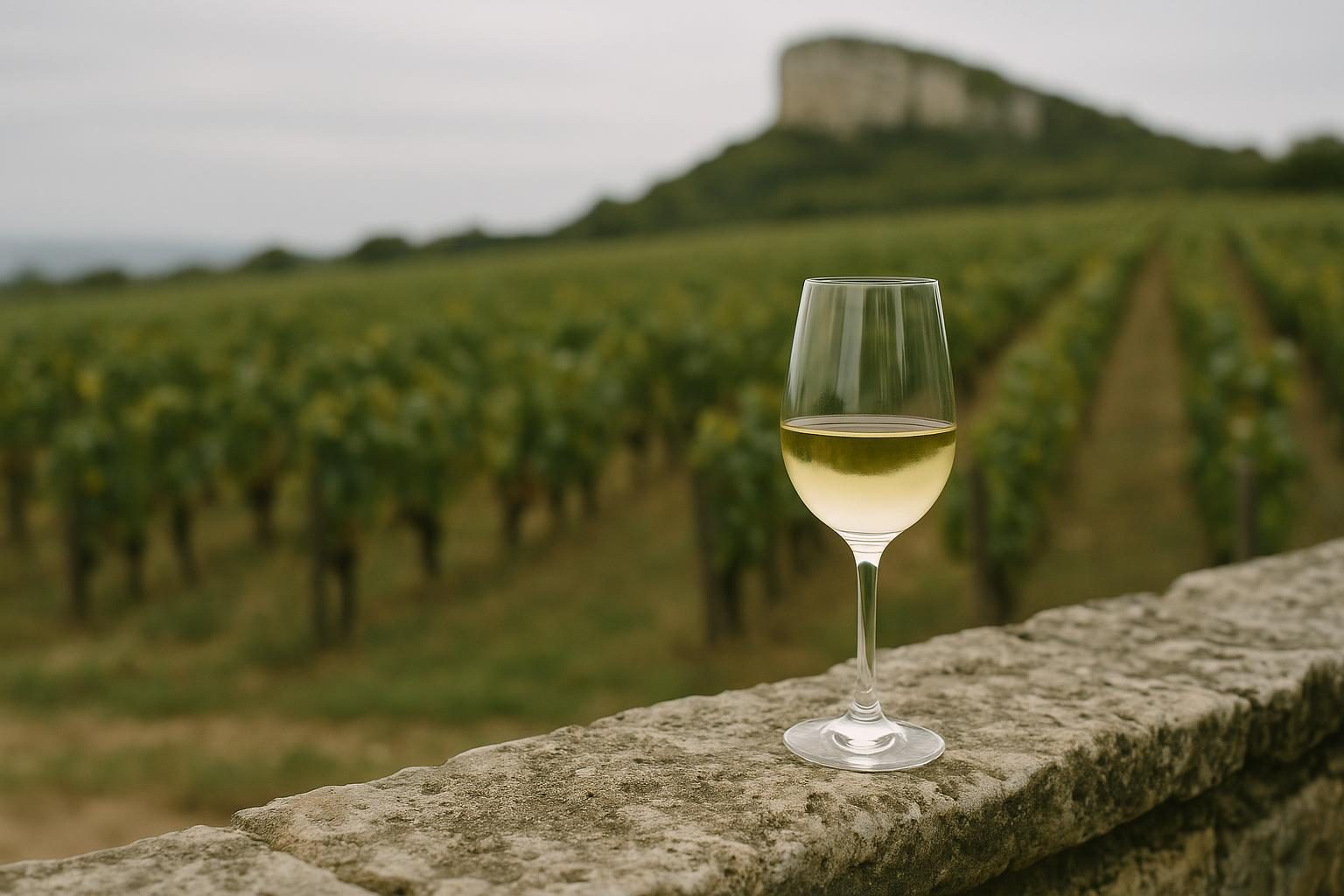
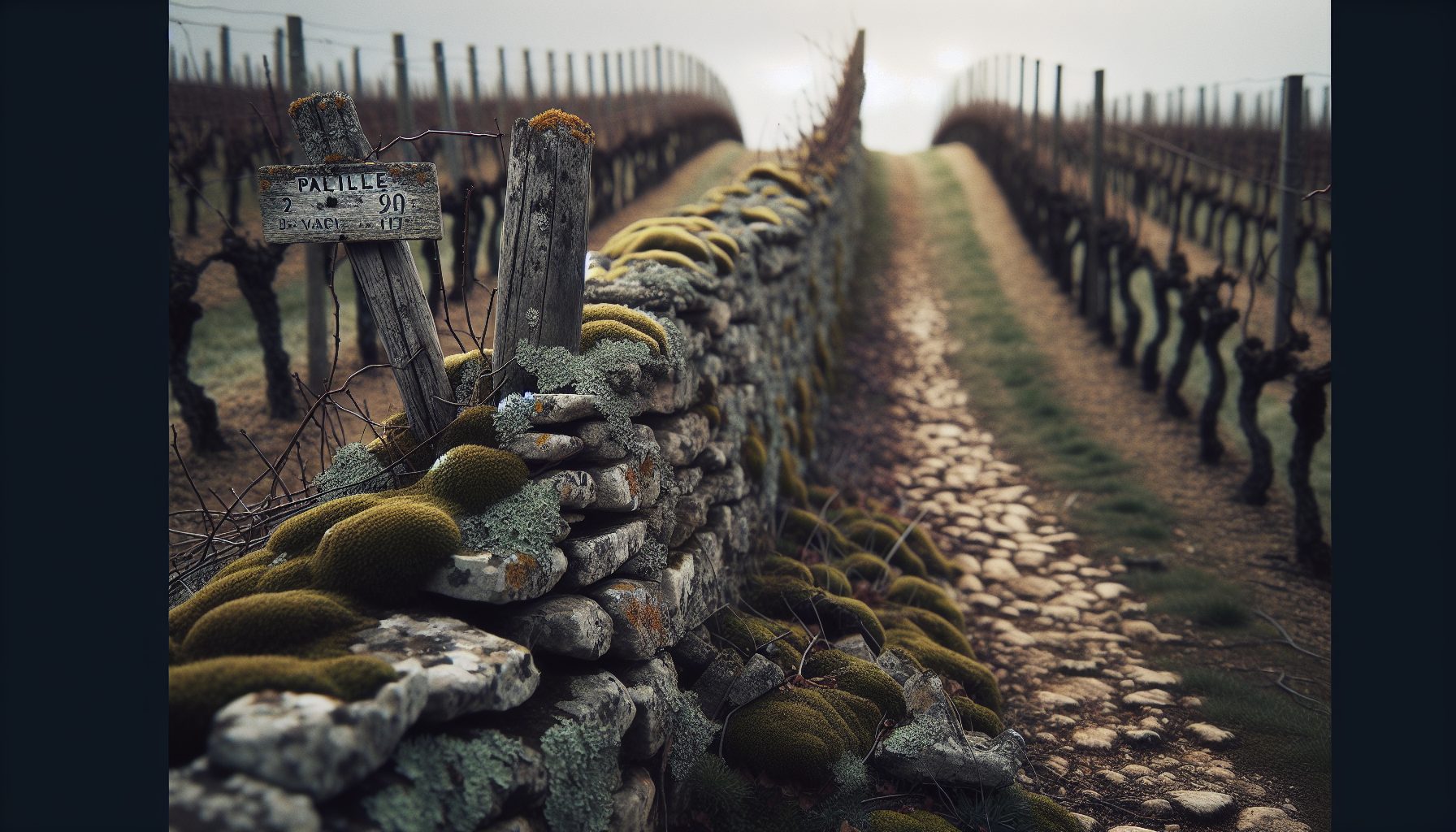
In Burgundy, a climat is a precisely delimited, named vineyard parcel that has been identified since the High Middle Ages. Unlike the meteorological meaning of the word, a Burgundian climat is a viticultural terroir defined by the unique combination of its soil, exposure, altitude and microclimate. It is this mosaic of 1,247 climats, each producing a wine with a distinct character, that was inscribed on the UNESCO World Heritage List on July 4, 2015, making Burgundy a unique case in the wine world.
The concept dates back to the monks of the Abbey of Cîteaux, who from the 11th century onwards organised, codified and ranked vineyard work along the Côte. Some climats are documented even earlier: the Clos de Bèze in Gevrey-Chambertin appears in texts from the 7th century. These monks laid the foundations of the appellation system we know today, methodically distinguishing parcels according to their qualitative potential.
A Nine-Year Candidacy Built on Mobilisation
The UNESCO inscription did not happen overnight. The candidacy was officially launched in November 2006 by the mayors of Dijon and Beaune, alongside the Côte's wine professionals. Leading the Association des Climats du vignoble de Bourgogne, Aubert de Villaine, co-manager of the legendary Domaine de la Romanée-Conti, championed the project for nine years of intense mobilisation. A support committee chaired by Bernard Pivot helped rally public opinion, gathering over 63,000 signatures in favour of the candidacy.
The inscribed property stretches over 60 kilometres, from Dijon in the northeast to Saint-Sernin-du-Plain in the southwest, encompassing 104 communes, around forty of which lie in the core zone. It comprises two components: the vineyards and villages of the Côte de Nuits and Côte de Beaune on one hand, and the historic centre of Dijon on the other, a symbol of the political impetus that gave birth to the climats system.
The Concrete Impact on Tourism: Rising Numbers
Since 2015, tourist numbers in Côte-d'Or have risen by 28%. While it is difficult to isolate precisely how much is attributable to the UNESCO inscription, tourism professionals agree that the label has served as a decisive calling card internationally. UNESCO itself estimates that World Heritage inscriptions generate an average 20% increase in tourist numbers.
The most visible outcome is the 2023 opening of the Cité des Climats et vins de Bourgogne, a network of three museum sites in Beaune, Chablis and Mâcon. These immersive spaces present Burgundy as the global archetype of terroir-driven wines. In 2024, the three sites welcomed 86,000 visitors, with 83% at the flagship Beaune location. The audience is diverse: 43% French, 37% regional visitors and 20% international, mainly from Belgium, the Netherlands, Germany and Switzerland.
Stronger Vineyard Protection
Beyond tourism, the UNESCO inscription has strengthened the legal and landscape protection of the vineyard. The property is governed by a regulatory framework combining the Heritage Code, the Urban Planning Code and the Environmental Code. A buffer zone, known as the 'zone écrin', surrounds the inscribed perimeter to preserve the landscape integrity of the hillsides. Territorial Coherence Schemes (SCOT) and local urban plans now explicitly incorporate the preservation of the climats.
The Association des Climats actively monitors compliance with these protections. It has notably alerted state services about proposed wind turbine projects deemed incompatible with the site's preservation. This permanent vigilance shows that the inscription is not merely an honorary title: it imposes concrete management and conservation obligations.
Ten Years On: Achievements and Challenges
In 2025, Burgundy celebrated the tenth anniversary of the inscription with a full year of events: guided visits, exhibitions, vineyard walks, artistic encounters and a major public gathering on July 4, 2025. A Climats Symposium was held on December 3-5, 2025, to assess the actions taken and explore future challenges.
Among these challenges, climate change ranks foremost. Harvests are advancing with each decade, aromatic profiles are evolving, and the question of adapting viticultural practices is increasingly pressing. Transmitting know-how, maintaining the attractiveness of the winemaker's profession and managing the territory sustainably are all issues mobilising the industry. The UNESCO inscription provides an additional framework and legitimacy for confronting these transformations.
Visiting the Climats: Practical Tips
To discover Burgundy's Climats, the simplest approach is to follow the Route des Grands Crus between Dijon and Santenay. Each village along the way, Gevrey-Chambertin, Vougeot, Vosne-Romanée, Nuits-Saint-Georges, Beaune, Pommard, Meursault, opens a door to a distinct terroir. The Cité des Climats et vins de Bourgogne in Beaune is an excellent starting point for understanding the system before exploring the vineyards.
To make the most of this experience, oenosuite.fr offers immersive accommodation in the heart of the Burgundy vineyard, ideally located for exploring both the Côte de Nuits and Côte de Beaune. Staying on-site gives you time to walk between the parcels, read the climat names carved into the stone walls, and understand, glass in hand, why this mosaic of terroirs is unique in the world.
Sources & References
Plan your trip to Burgundy
Book your wine accommodation in Dijon
Luxury wine suite with complimentary blackcurrant liqueur, Jalunia connected cellar and wine tourism experiences.
Book now