Burgundy in Winter: Why the Off-Season Is the Best Time to Visit
Simon Stoll
Oenosuite Founder
The Burgundy vineyard in winter, from November to March, offers a wine-tourism experience radically different from the summer high season: fewer visitors, winemakers more available for tastings, gentler accommodation rates, and one of the most prestigious calendars of wine festivals of the whole year. Far from a dead season, winter is arguably the best time to discover the vineyard in depth.
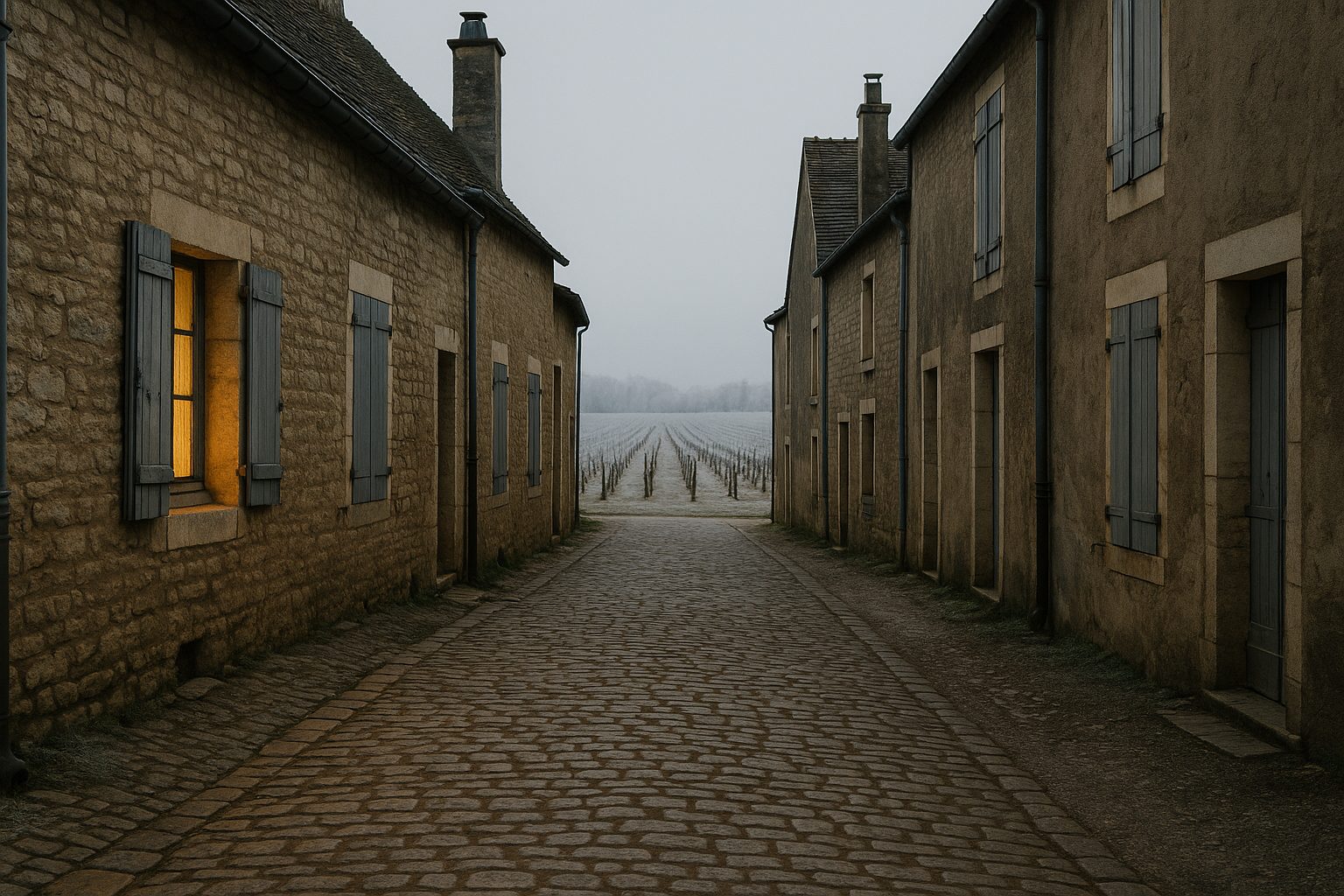
Visiting Burgundy in the off-season is not just about avoiding the crowds. It is also when the region's two biggest events take place, the Trois Glorieuses in November and the Saint-Vincent Tournante in January, and when Burgundy reveals a more intimate face, between warm cellars, truffle markets and villages asleep under the frost.
Why winter is the best time to visit
Between December and February, the Route des Grands Crus linking Dijon to Santenay can be driven without traffic jams or tour buses. Estates, less in demand than in summer, offer longer and more personal tastings: it is often the winemaker themselves, rather than a seasonal employee, who welcomes you into the cellar. To understand the craft of wine, that is a rare privilege.
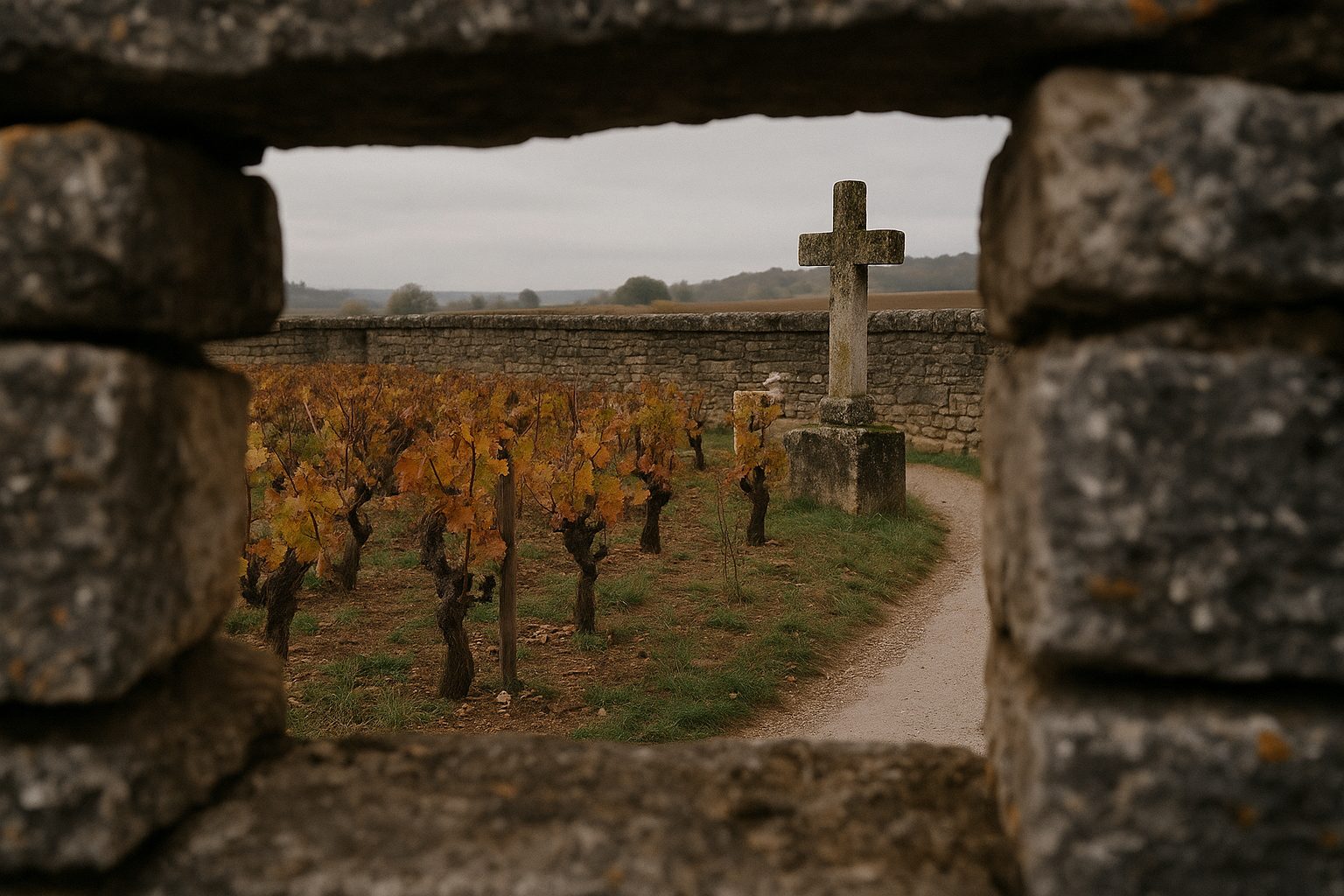
Winter is also the season of vine pruning, the founding gesture of the coming vintage: from December to March you meet winemakers, secateurs in hand, working the bare plots. Budget-wise, accommodation shows low-season rates that are far more attractive than in summer or during the harvest. To roam the whole vineyard, oenosuite.fr offers charming accommodation in the very centre of Dijon, an ideal base less than an hour from the great villages of the Côte.
The Trois Glorieuses: the high point of November
Every third weekend of November, Burgundy celebrates the Trois Glorieuses, three days of festivities created in 1934 by the Confrérie des Chevaliers du Tastevin, in reference to the Three Glorious Days of the July 1830 revolution. It is the most prestigious event of the regional wine calendar.
Saturday opens with a chapter and gala dinner at the Château du Clos de Vougeot, the seat of the Confrérie des Chevaliers du Tastevin. Sunday brings the Hospices de Beaune Wine Sale, the world's biggest charity auction: in 2025, the 165th edition, held on 16 November under the Halles de Beaune, reached a record total of 18.75 million euros. The festival closes on Monday with the Paulée de Meursault, a giant lunch born in 1932 that gathers around 700 guests, winemakers, merchants and enthusiasts who come to share their finest bottles.
The Saint-Vincent Tournante: the great January festival
On the last weekend of January, Burgundy celebrates Saint Vincent, patron saint of winemakers, at the Saint-Vincent Tournante. Its name comes from its rotating nature: each year one or several different villages host the event, decorate their streets with paper flowers and open their cellars to the tens of thousands of visitors who come to taste the local wines. It is the vineyard's largest popular festival.
In 2026, the 82nd edition was held on 24 and 25 January in the three villages of the Maranges appellation (Cheilly-lès-Maranges, Dezize-lès-Maranges and Sampigny-lès-Maranges), which hosted the festival for the first time in nearly thirty years. Organisers expected close to 60,000 visitors and had planned around 15,000 bottles for tasting. As the event is itinerant, it moves to a different commune each year: it is best to check in the autumn which village will host the following edition.
Truffle, gastronomy and cellars: terroir in its winter form
Winter is also the season of the Burgundy truffle (Tuber uncinatum), the autumn truffle with chocolate-coloured flesh veined with white and aromas of undergrowth and hazelnut. Its harvest, governed by prefectural decree, runs roughly from 15 September to 15 January depending on weather conditions. Several markets are dedicated to it in the region, such as the one in Noyers-sur-Serein, in the Yonne.
It is also the ideal season for cellar tastings, sheltered from the cold, and for hearty Burgundian gastronomy, œufs en meurette, bœuf bourguignon, coq au vin, Époisses cheese. In Beaune, the Cité des Climats et vins de Bourgogne, open since 2023, welcomes visitors year-round: in low season it opens daily from 10am to 6pm (with an annual closure in mid-January). It is an excellent starting point to understand the Climats, those delimited plots inscribed on the UNESCO World Heritage list since 4 July 2015.
Practical tips for a successful winter stay
For the big events, the Trois Glorieuses and the Saint-Vincent Tournante, book your accommodation several months in advance, as availability disappears quickly within a 30-kilometre radius. Outside these weekends, the region stays very quiet: always contact estates in advance, as many receive visitors by appointment only in winter and some close for a few weeks after the festivities. Dress warmly for the cellars, which are often chilly, and keep in mind that the days are short: plan your visits between 10am and 5pm.
In short, a Burgundy winter rewards the curious traveller: fewer people, more exchanges with the winemakers, seasonal gastronomy and two festivals found nowhere else in the world. To enjoy it with ease, oenosuite.fr makes an ideal base in the heart of Dijon, from where the Côte de Nuits, the Côte de Beaune and the great winter events are all within easy reach.
Sources & references
Plan your trip to Burgundy
Book your wine accommodation in Dijon
Luxury wine suite with complimentary blackcurrant liqueur, Jalunia connected cellar and wine tourism experiences.
Book now