Biodynamics in Burgundy: science or belief?
Simon Stoll
Oenosuite Founder
What is biodynamic viticulture?
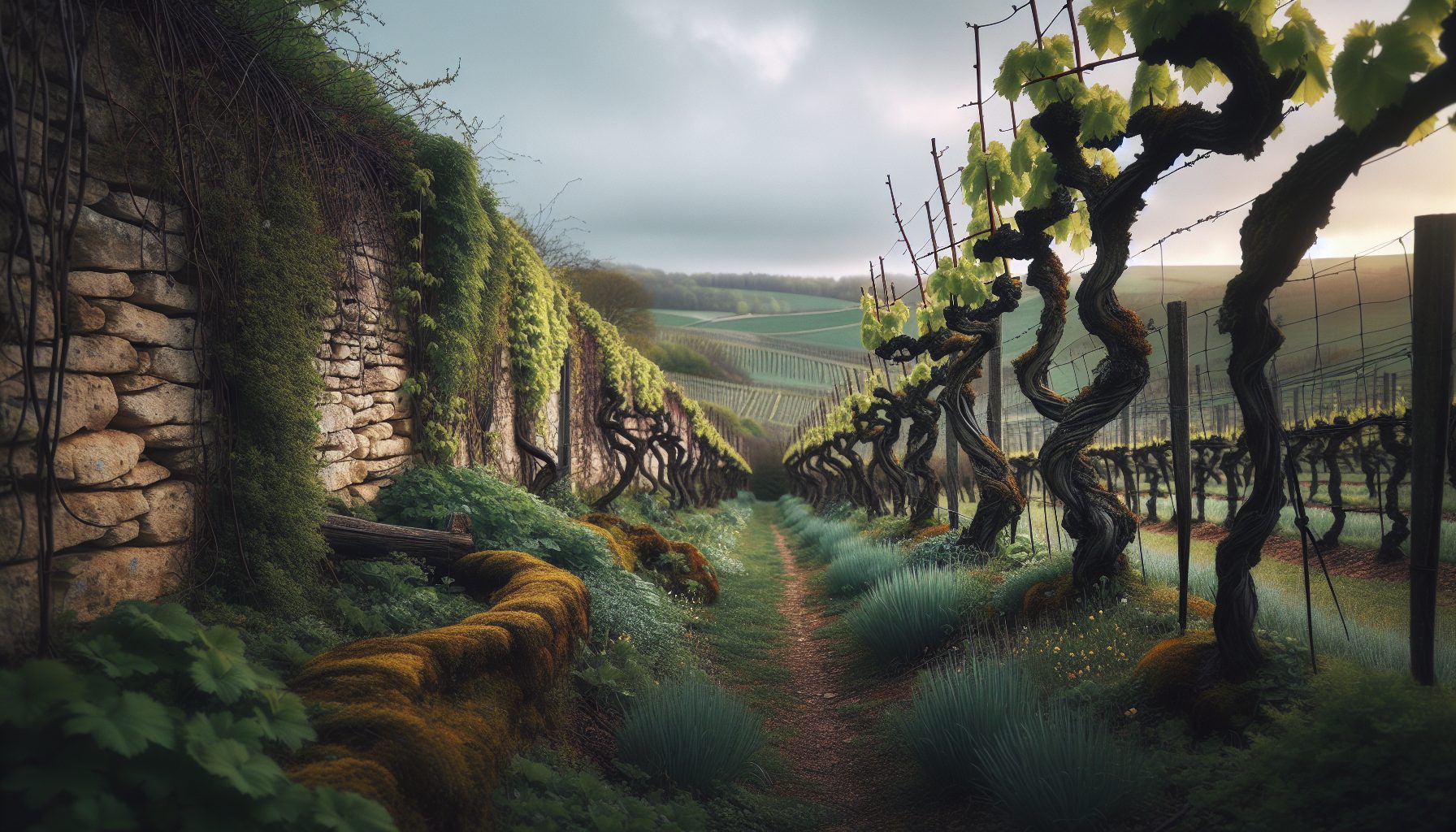
Biodynamics is a farming method founded in the 1920s by Rudolf Steiner, an Austrian philosopher who viewed the farm as a self-sustaining living organism. Applied to viticulture, it rests on three pillars: respecting lunar and planetary cycles to plan vineyard work, using natural plant-based preparations (yarrow, nettle, horsetail, valerian) dynamised in water, and nurturing a living soil capable of feeding the vine without chemical inputs. In Burgundy, where terroir is a religion, this approach finds a particularly strong echo.
In practice, a biodynamic winemaker buries a cow horn filled with manure (the famous preparation 500) in autumn, unearths it in spring, dilutes the contents in water while stirring for an hour, then sprays the mixture on the plots. They consult the lunar calendar before pruning, harvesting or racking. They encourage biodiversity in the vine rows with cover crops, hedgerows and sometimes even animals. This is where the debate begins: for some, these practices border on magical thinking. For others, they represent the most demanding and respectful form of agriculture there is.
The great Burgundy estates that converted
What is striking in Burgundy is that biodynamics is not the preserve of small, marginal winegrowers. It is practised by the most prestigious and expensive estates in the world. The Domaine de la Romanée-Conti (DRC), whose wines reach several thousand euros per bottle, began its biodynamic conversion in 2007 and obtained Biodyvin certification in 2017. Aubert de Villaine, its historic co-manager, has often explained that this approach aimed to recover the purest possible expression of each climat.
Lalou Bize-Leroy, a legendary figure in Burgundy, converted Domaine Leroy to biodynamics as early as 1988, long before it became fashionable. Her Richebourg, Romanée-Saint-Vivant and Musigny are considered by many critics to be among the greatest wines in the world. Domaine Leflaive in Puligny-Montrachet, driven by Anne-Claude Leflaive (who passed away in 2015), went fully biodynamic in 1997. Its Montrachet and Chevalier-Montrachet remain absolute benchmarks in white wine.
Other illustrious names complete the list: Domaine Comte Armand in Pommard (biodynamic since 1985), Domaine des Comtes Lafon in Meursault (certified biodynamic in 1998) and Domaine Trapet in Gevrey-Chambertin (converted from 1995). The Biodyvin association counted 225 member estates in 2025 across Europe, with a significant share in Burgundy, a sign of steadily growing momentum.
The scientific arguments in the debate
Let us be clear: science has not definitively settled the question. Comparative studies between organic, biodynamic and conventional plots show nuanced results. The EcoVitiSol project, conducted by INRAE between 2018 and 2022 across 150 plots in Alsace and Burgundy, found that microorganism abundance increased by an average of 71% in biodynamically managed soils compared to conventional ones, with 30 times more interactions between bacteria and fungi. Biodynamic plots also showed more mycorrhizae, those symbiotic fungi that help the vine draw water and minerals from deep underground.
However, no rigorous study has been able to demonstrate that biodynamic preparations (500, 501, etc.) have a measurable effect beyond that of simple compost or a herbal tea. The influence of lunar cycles on the vine also remains scientifically unproven. This is the point sceptics raise: if the results are good, is it not simply because biodynamics demands extreme attention to the vine and soil, regardless of the esoteric aspects?
The argument carries weight. A winemaker who observes their plots daily, who works the soil mechanically rather than with herbicides, who drastically limits yields and who harvests by hand will produce better wine, whether they follow Steiner or not. But biodynamists respond that it is precisely the overarching philosophical framework that creates this attention. Without the holistic vision, they say, one falls back into productivism.
What biodynamics changes in the glass
Beyond the theoretical debate, the real question for the wine lover is this: can you taste the difference? Many experienced tasters, sommeliers and critics say yes. Wines from biodynamic farming are said to have a particular energy and tension, a sharper expression of terroir, silkier textures and greater digestibility. The word that comes up most often is 'vibrant'.
Blind tastings do not always confirm these impressions statistically, but they do not refute them either. What is measurable, however, is that estates that have switched to biodynamics generally observe an increase in their vines' root depth (sometimes by several metres), better resistance to water stress and grapes with a more balanced sugar-to-acidity ratio at maturity. All of these factors objectively contribute to wine quality.
Visiting biodynamic estates in Burgundy
To form your own opinion, nothing beats a visit on the ground. Several biodynamic Burgundy estates welcome visitors and offer guided tastings where you can observe the practices, ask questions and, most importantly, taste. Through the Winalist platform, an Oenosuite partner, it is possible to book visits to estates committed to biodynamics across the Côte de Beaune and Côte de Nuits.
Domaine Trapet in Gevrey-Chambertin, a pioneer of biodynamics in the Côte de Nuits since 1995, welcomes visitors for tastings at the estate. In Pommard, Domaine Comte Armand has practised biodynamics since 1985 in its famous Clos des Épeneaux. Further south in the Côte Chalonnaise, Domaine A. et P. de Villaine in Bouzeron (founded by Aubert de Villaine, co-manager of Romanée-Conti) grows Aligoté under certified organic agriculture, an accessible way to discover the region's committed wines.
To extend the experience, a stay at Oenosuite in Dijon allows you to taste selected biodynamic wines through the connected Jalunia wine cellar available directly in the suite, while planning your estate visits for the next day. It is the ideal combination for exploring this fascinating subject with the comfort of accommodation designed for wine lovers, bookable on oenosuite.fr.
Our take: biodynamics deserves respect
After tasting hundreds of Burgundy wines, visiting dozens of estates and speaking with winemakers from both camps, our position is nuanced but clear. No, biodynamics is probably not 'magic'. Yes, some of its esoteric aspects lack scientific grounding. But the results speak for themselves: biodynamic estates produce, on average, wines that are more expressive and more faithful to their terroir than their conventional neighbours.
Does biodynamics work thanks to Rudolf Steiner or despite him? Ultimately, it matters little. What counts is that it pushes winemakers towards a form of artisanal excellence that is increasingly rare in modern agriculture. In Burgundy, where every plot tells a thousand-year-old story, this quest for purity makes sense. And for the curious visitor, it is a wonderful gateway to understanding what makes the wines of this region so unique.
Sources & references
Plan your trip to Burgundy
Book your wine accommodation in Dijon
Luxury wine suite with complimentary blackcurrant liqueur, Jalunia connected cellar and wine tourism experiences.
Book now