Burgundy Wine at the Supermarket: Bargains or Tourist Traps?
Simon Stoll
Oenosuite Founder
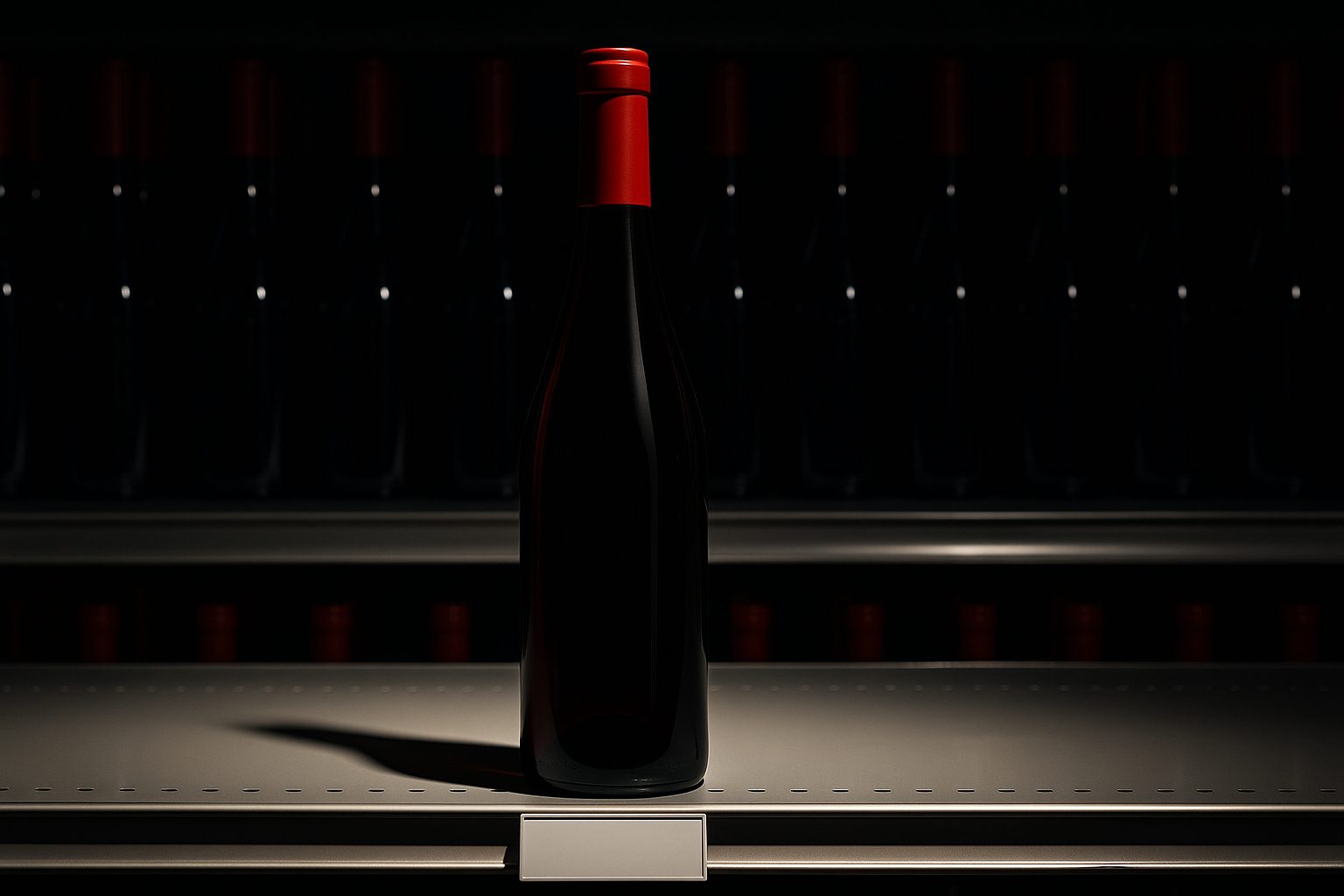
In France, large-scale retail accounts for nearly 90% of still-wine sales by volume: most wine lovers therefore buy their Burgundy at the supermarket, not from a specialist merchant. The question is not whether to shop there, but how to shop well. A supermarket shelf mixes the best — real growers' bottles sold at sharp prices during the wine fairs — with the worst: over-marketed generic appellations that trade on the word 'Bourgogne' more than on what is in the bottle.
What you actually find on the shelves
Burgundy has 84 appellations arranged in a pyramid: 7 regional appellations, 44 village appellations, 33 grands crus and 662 climats classified as premier cru. In a supermarket you will almost never see a grand cru: those are allocated to merchants and exports. The vast majority of supermarket references belong to the regional appellations (Bourgogne, Bourgogne Aligoté, Crémant de Bourgogne, Mâcon), which alone account for around half the vineyard's surface and more than half of the volume produced. This is the gateway to the region, and also where the best bargains hide, alongside the biggest disappointments.
Another reality worth knowing: in Burgundy, the négoce (merchant houses) sells around 60% of the wine produced each year. The big houses — Louis Jadot, Joseph Drouhin, Bouchard Père & Fils, Albert Bichot (founded in 1831), Faiveley and Louis Latour — own their own vines and also buy grapes to raise cuvées sold worldwide, including in supermarkets. Finding a reputable merchant's name on a regional Bourgogne label is therefore not a flaw: it is often a guarantee of consistency.
The wine fair: the one genuine bargain window
If you must buy Burgundy in a supermarket, do it during the foires aux vins (wine fairs). These promotional events run twice a year, in spring and above all in autumn: in 2025 they started as early as 1 September at Casino and Franprix, on 9 September at Auchan and Intermarché, and on 23 September at Carrefour and the U stores. It is the only period when chains negotiate real volumes with estates and release growers' cuvées at cut prices, sometimes several euros off per bottle.
The right reflex: prepare your list in advance using the selections of independent guides (the Guide Hachette des Vins publishes its wine-fair recommendations every year). Spot the rated cuvées, compare them with the estate's usual price, and buy only what you would have paid full price for elsewhere. A '30% discount' on a bottle nobody wants is not a bargain.
The tourist traps to avoid
The first trap is the private label (MDD). Private labels account for nearly 38% of the wine volume sold in large-scale retail: anonymous cuvées bottled for the chain, often decent but rarely memorable, and never a true Burgundy of terroir. The second trap is the over-marketed generic Bourgogne: a gilded label, 'château' typography, a pompous cuvée name… and behind it, an industrial blend with no estate named. The word 'Bourgogne' on the label guarantees only one thing: that the grapes come from the region. Nothing about quality.
A third, subtler trap is the fake village. Some bottles play on graphic proximity to a prestigious appellation. Always check the exact appellation printed above the words 'Appellation d'origine contrôlée': a plain 'Bourgogne' is not a 'Gevrey-Chambertin', even if the label evokes the Côte de Nuits. When in doubt, price remains a good indicator: in 2024 a regional wine sells for around €20 and a village wine around €45. An €8 'village' does not exist.
Reading the label: the mentions that change everything
The most useful mention concerns bottling. 'Mis en bouteille au domaine', 'à la propriété' or 'au château' means the wine was bottled where the grapes were grown: it is reserved for AOP/IGP wines and is a serious sign of traceability. Conversely, 'mis en bouteille dans la région de production' only indicates that bottling took place somewhere in Burgundy, not necessarily at the grape grower's — typical of entry-level merchant cuvées. According to the DGCCRF, none of these mentions guarantees quality, but they do tell you about origin.
Next, look for an identifiable grower or estate name, a coherent vintage (for a regional wine, stick to recent, ready-to-drink vintages), and be wary of labels that pile on gold medals without ever naming a producer. A serious bottle owns its origin; a dubious one drowns it in marketing.
The real smart move: aim for Bourgogne Côte d'Or
Since 2017 there has been an ideal appellation for smart supermarket buying: Bourgogne Côte d'Or. This complementary geographical denomination, reserved for wines from 40 communes between Dijon and Maranges, on the Côte de Nuits and Côte de Beaune only, sits just above regional Bourgogne and just below the villages. Pinot Noir for the reds and Chardonnay for the whites, grown on the best slopes: it is the best value for anyone who wants a real taste of the Côte d'Or without paying village prices. If you should remember only one mention to look for on the shelf, this is it.
Our verdict
So, bargains or tourist traps? Both. The supermarket can offer real bargains during the autumn wine fairs, provided you know how to read a label, steer clear of private labels and generic Bourgogne, and aim for estate bottling or a Bourgogne Côte d'Or. But no supermarket bottle will ever replace discovering a wine in the cellar where it was born. To taste before buying, talk with the grower and leave with cuvées you will never find on a shelf, nothing beats a stay on the spot: oenosuite.fr serves as your base camp in the heart of the Burgundy vineyard, turning a simple purchase into a real encounter with the terroir.
Sources & references
Plan your trip to Burgundy
Book your wine accommodation in Dijon
Luxury wine suite with complimentary blackcurrant liqueur, Jalunia connected cellar and wine tourism experiences.
Book now