Morey-Saint-Denis: the Quiet Treasure of the Côte de Nuits
Simon Stoll
Oenosuite Founder
Morey-Saint-Denis, the Quiet Treasure of the Côte de Nuits
Morey-Saint-Denis is a village appellation in the Côte de Nuits, Burgundy, producing mainly red wines from Pinot Noir. Nestled between Gevrey-Chambertin to the north and Chambolle-Musigny to the south, on the Route des Grands Crus, it covers around 110 hectares and holds five Grands Crus and twenty Premiers Crus. Despite this exceptional density, it remains the least known of the great Côte de Nuits villages.
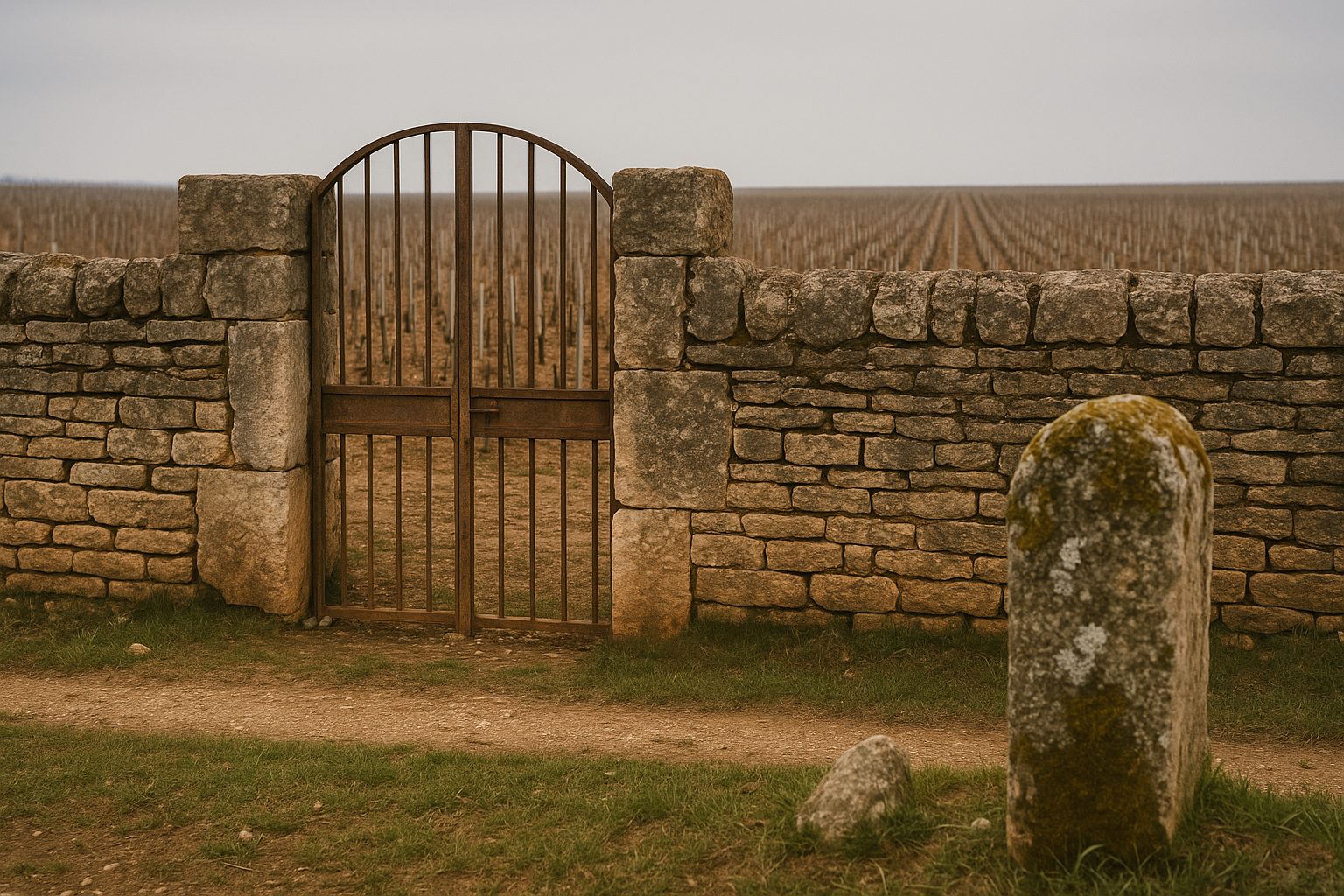
Squeezed between two world-famous neighbours, the village long lived in their shadow. Yet it is one of Burgundy's most complete terroirs: on a tiny patch of land, Morey lines up five prestigious clos, several of them monopoles or near-monopoles. It is nicknamed the village of clos. For the wine lover seeking Burgundian excellence without the crowds of Gevrey or Vosne-Romanée, Morey-Saint-Denis is a real find.
The village only took its current name in 1927, adding Saint-Denis to Morey in tribute to its Grand Cru Clos Saint-Denis. The village appellation itself was officially recognised in 1936, like most of the great appellations of the Côte-d'Or.
Five Grands Crus on a Tiny Patch of Land
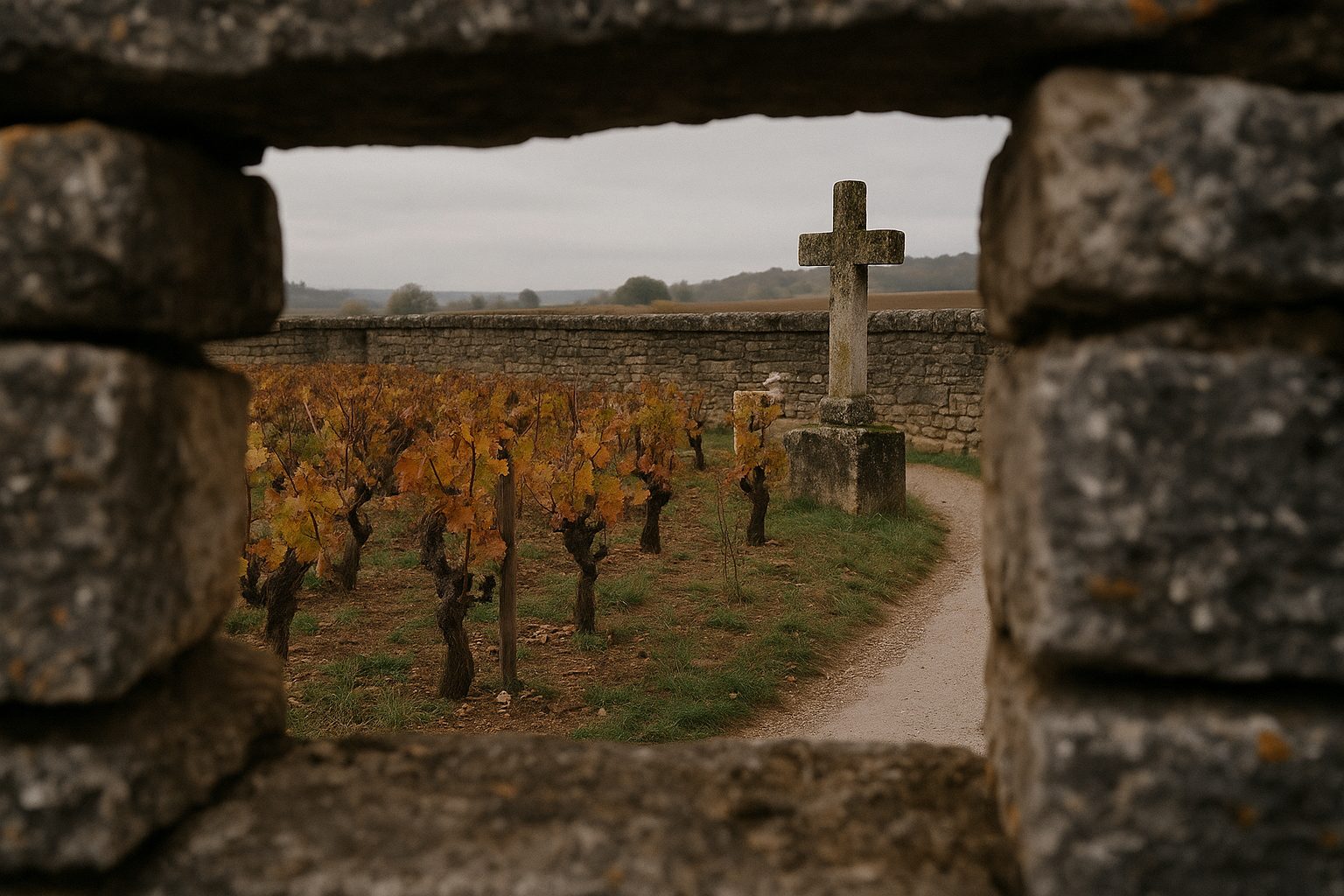
What makes Morey-Saint-Denis unique is its concentration: five Grands Crus follow one another along the slope, from north to south. Four belong entirely to the commune, the Clos de la Roche, Clos Saint-Denis, Clos des Lambrays and Clos de Tart, and a fifth, Bonnes-Mares, is shared with Chambolle-Musigny. Together they show the full range of Burgundian Pinot Noir.
The Clos de la Roche is the largest of Morey's Grands Crus, with nearly 17 hectares. It is also the most powerful and mineral: firm tannins, black-fruit notes, a spine of stone. It is the historic wine of Domaine Ponsot, based in the village.
The Clos Saint-Denis, the one that gave the village its name, stands out for its silkier texture and finely chiselled elegance. It has been nicknamed the Mozart of the Côte de Nuits for its airy finesse, the opposite of its powerful neighbour the Clos de la Roche.
The Clos de Tart is arguably the jewel of the appellation. At 7.53 hectares, it is the largest of Burgundy's Grand Cru monopoles, a clos that has never been divided since its creation, an extreme rarity in the region. Founded in 1141 by the Cistercian nuns of Tart Abbey, it belonged to the order until the Revolution. Bought by the Mommessin family in 1932, it passed in 2017 under the control of Groupe Artémis, the holding company of the Pinault family.
The Clos des Lambrays completes the picture. Long a Premier Cru, it was only promoted to Grand Cru in 1981, late compared with its neighbours. It is a near-monopole: Domaine des Lambrays owns 8.66 of its 8.84 hectares, the rest belonging to Domaine Taupenot-Merme. Since 2014 the estate has been owned by the LVMH group.
Finally, part of the Bonnes-Mares Grand Cru spills over onto Morey-Saint-Denis, most of it lying in Chambolle-Musigny. Recognisable by its mineral density, it forms the link between the two villages.
A Terroir Between Power and Finesse
Geographically, Morey sits at a hinge point, and so do its wines. The clay-limestone soils rich in marl, well drained on the higher slopes, bring both structure and elegance. Morey's style naturally falls between the power of Gevrey-Chambertin and the airy finesse of Chambolle-Musigny: Pinot Noir reds with aromas of red and black fruit, spice, sometimes undergrowth, gaining complexity with cellar age.
A rare curiosity in the Côte de Nuits, a land of reds, Morey also makes a handful of confidential whites. The most famous is the Clos des Monts Luisants from Domaine Ponsot, the only Premier Cru in Burgundy made from the Aligoté grape, from vines planted in 1911. Produced at fewer than 4,000 bottles, it is a collector's wine and a reminder that before phylloxera, Aligoté also signed great whites.
The Estates to Know
Two houses embody Morey-Saint-Denis's reputation. Domaine Dujac, founded in 1968 when Jacques Seysses bought Domaine Graillet, has become a world reference for Pinot Noir: grown from around 5 hectares at the start to about fifteen today, it has been farmed biodynamically since 2003. Domaine Ponsot is a village institution, famous for its Clos de la Roche and its surprising Monts Luisants white.
Around them orbit other sought-after names: Domaine des Lambrays and Clos de Tart for their monopoles, Domaine Georges Roumier with its Clos de la Bussière monopole, plus Michel Magnien and Taupenot-Merme. This variety of signatures, on such a small area, makes Morey an ideal playground for comparing styles from a single terroir.
Visiting Morey-Saint-Denis
The village is best explored on foot, past its pale stone houses and its walled clos. Set right in the heart of the Route des Grands Crus, it lends itself to walks among the vines, cellar visits and tastings with the winegrower, often by appointment as the estates are small. From Morey, Gevrey-Chambertin, Chambolle-Musigny and Vougeot are just a few minutes away by car or bike.
To plan a stay built around these Grands Crus, it is best to pick a central base in the vineyard. Oenosuite.fr offers wine-tourism accommodation ideally located in Burgundy, perfect for exploring the Côte de Nuits without wasting time on the road. It is the dream base to discover, at your own pace, the village of clos and its prestigious neighbours, then leave with a few bottles found directly at the estate.
Sources & references
Plan your trip to Burgundy
Book your wine accommodation in Dijon
Luxury wine suite with complimentary blackcurrant liqueur, Jalunia connected cellar and wine tourism experiences.
Book now